Winn-Dixie
Winn-Dixie
Here for the Neighborhood

Overview
Overview
Overview
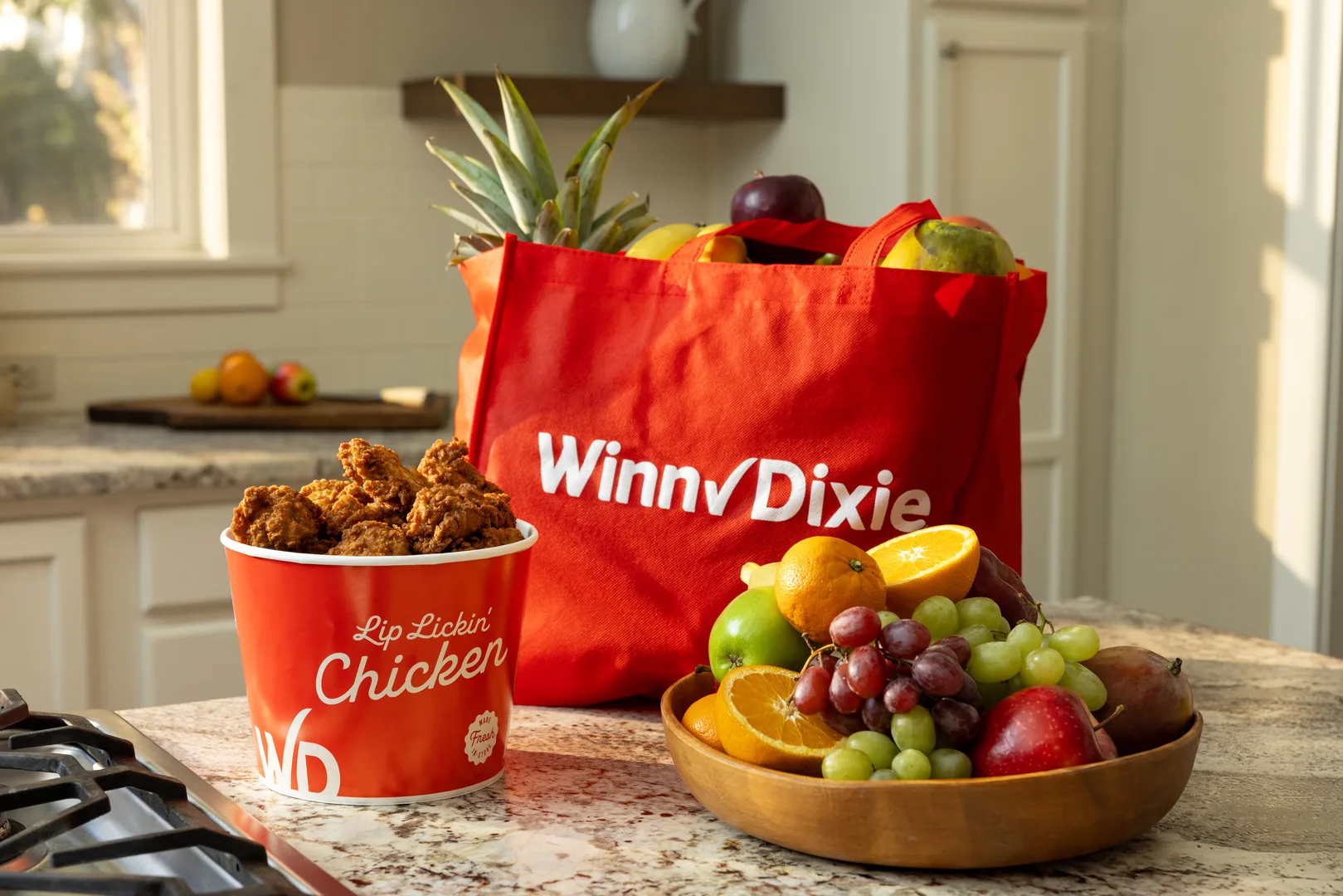
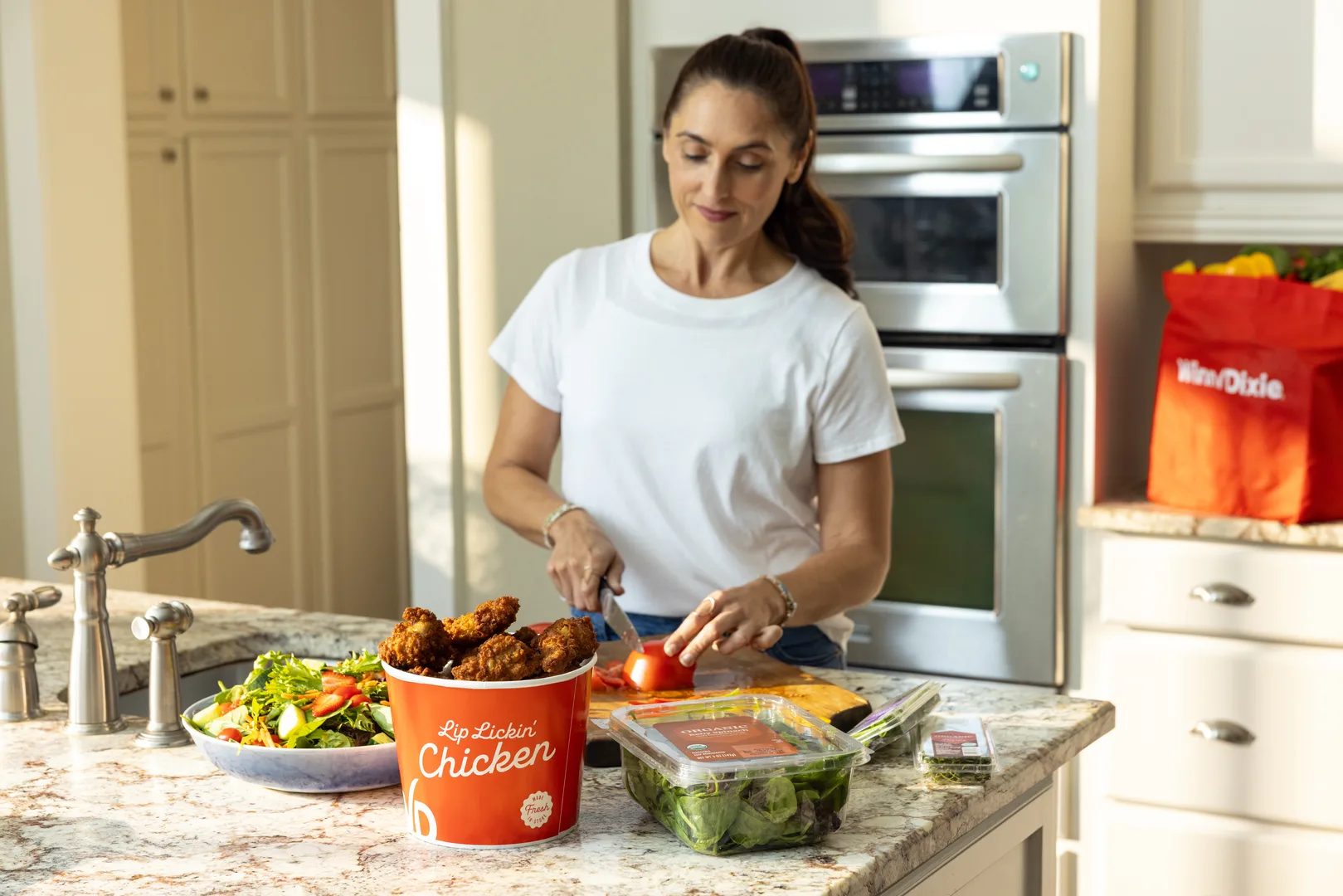
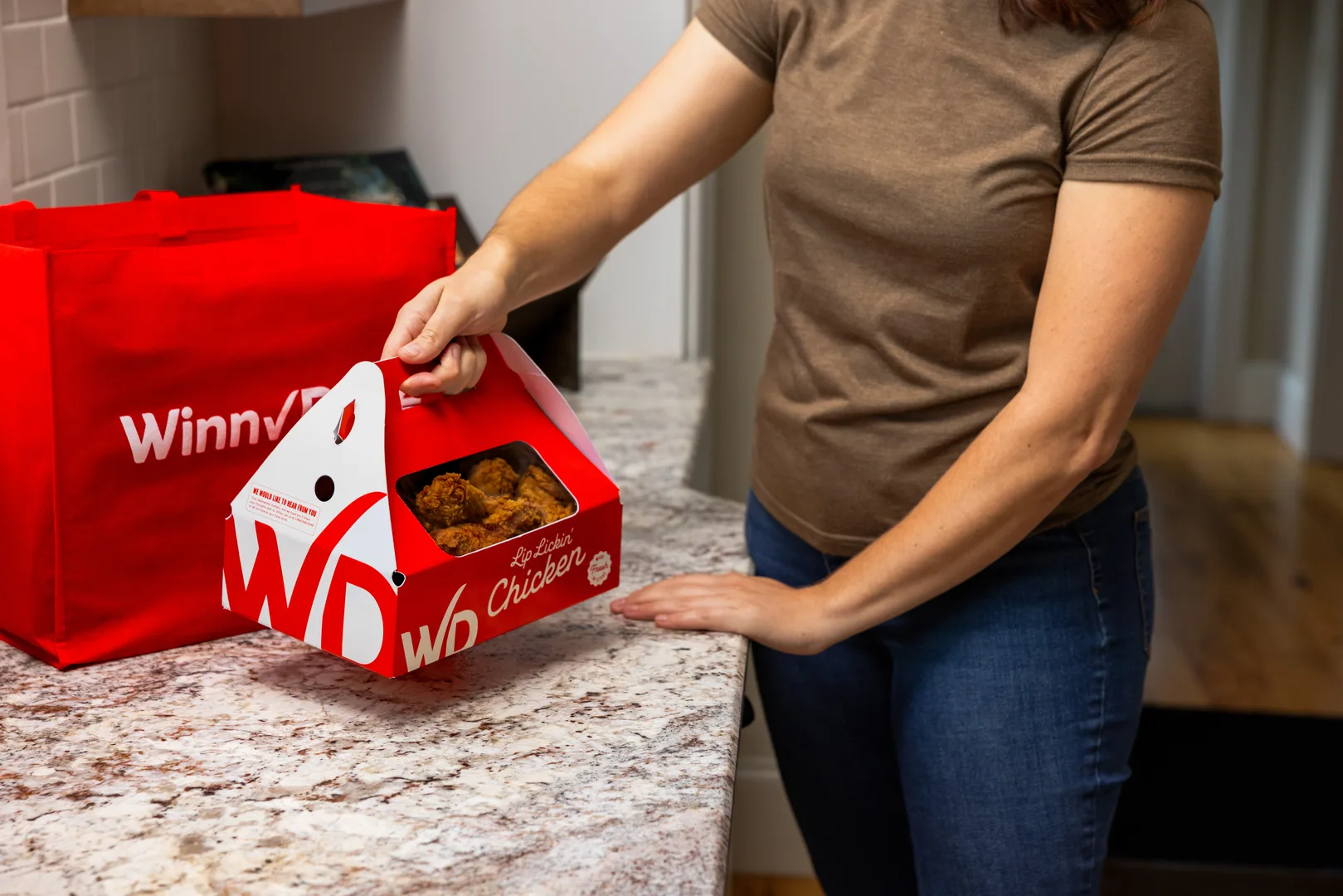
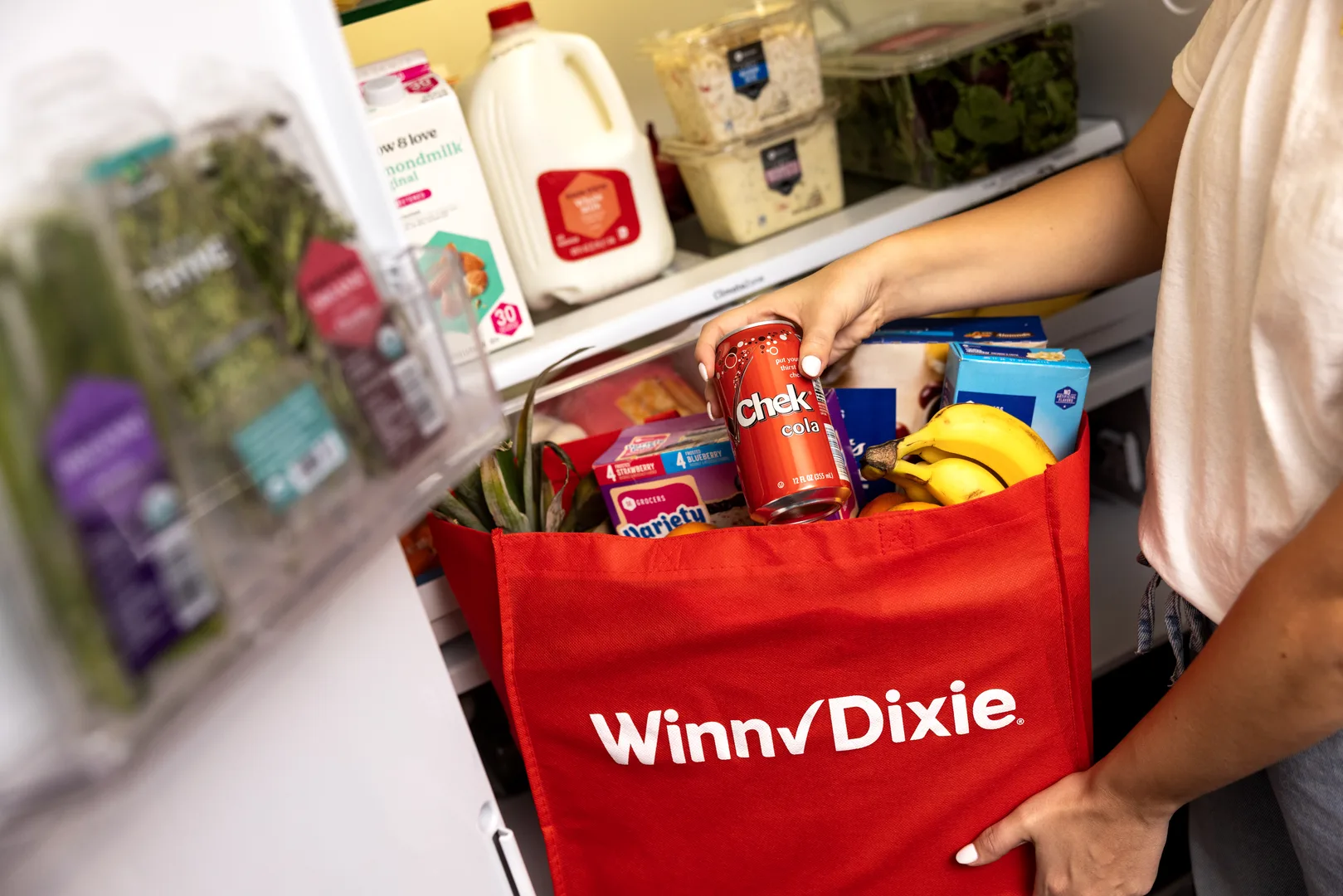
Winn-Dixie needed a production partner who could match the ambition of their biggest campaign to date. Push developed the creative strategy and scripts. Pull Films brought on McClain McKinney (previously under McKinney Media, now Chalant) to produce the shoot, manage the budget, and build the crew. The result was a 3-day production across 2 Orlando homes with 46 crew members, 3 simultaneous units, and a llama. 5 hero commercials, 10 social videos, 50+ retouched photos, and radio spots in multiple languages, with the hero content now surpassing 30 million views across YouTube and Instagram.
Client:
Client:
Winn-Dixie
Winn-Dixie
Industry:
Industry:
Grocery / Retail
Grocery / Retail
Agency
Agency
Push
Push
Production Company
Production Company
Pull Films
Pull Films
Project Type
Project Type
Brand Campaign: CTV + Social + Photo + Radio
Timeline:
Timeline:
Pre-production September 25 - Delivery January, 26
Location
Location
📍 Orlando, FL
📍 Orlando, FL
Deliverables
Deliverables
5 hero spots (:30 + :15), 10 social videos, 50+ retouched photos, radio spots
Before We Got Involved
Winn-Dixie is a regional grocery chain with deep roots in the Southeast. For decades, the brand has been a neighborhood staple, the store where families do their weekly shopping, pick up party supplies, and grab ingredients for Sunday dinner. Their customers are generational.
Winn-Dixie was in the middle of a brand refresh, and Push had been leading the effort. The agency's job was to develop a campaign that would re-introduce Winn-Dixie to both current and new customers. The mandate from Winn-Dixie was specific: build a "big idea" foundation that could live and expand for years. Something that would shift perception and drive consideration, not just awareness.
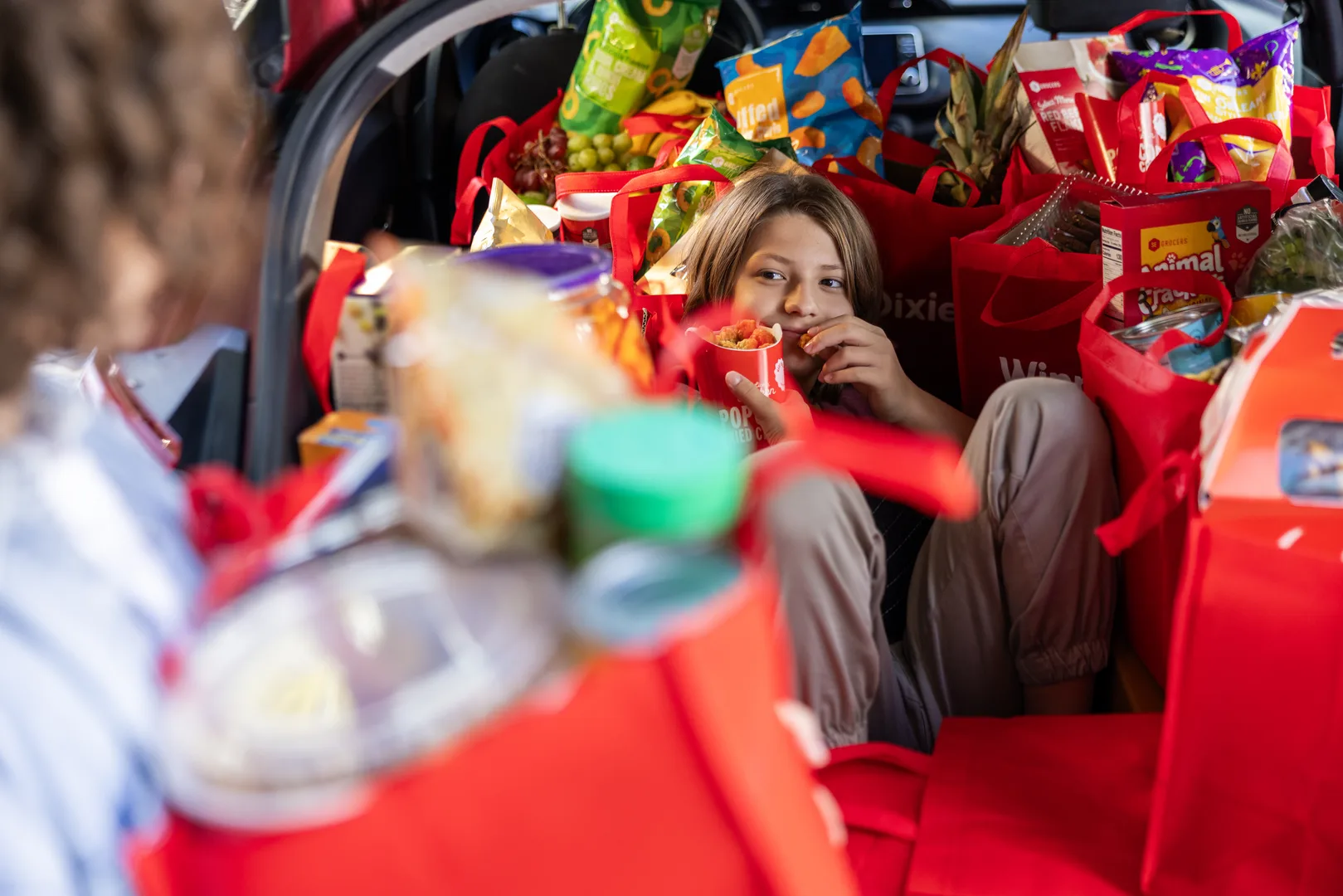
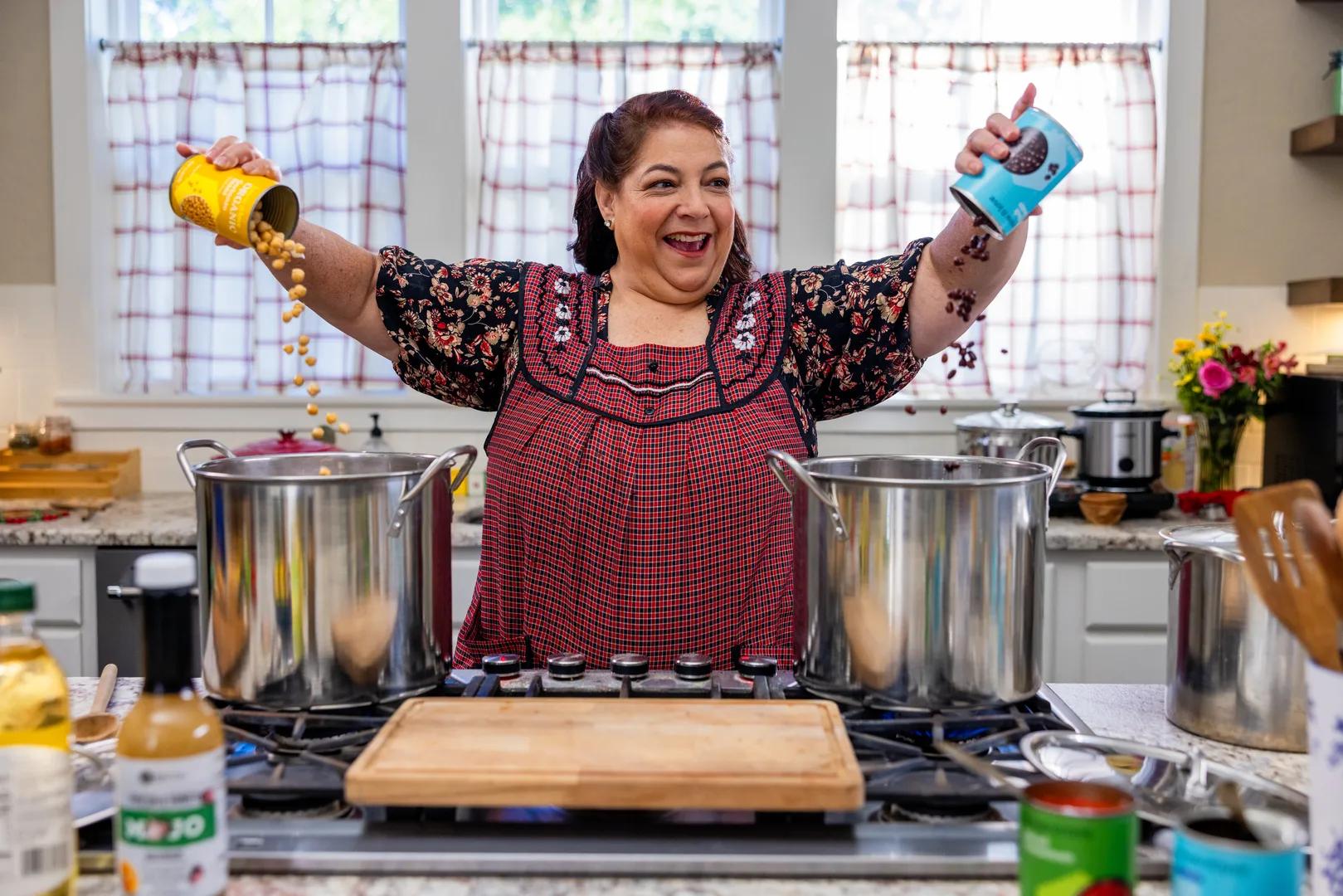
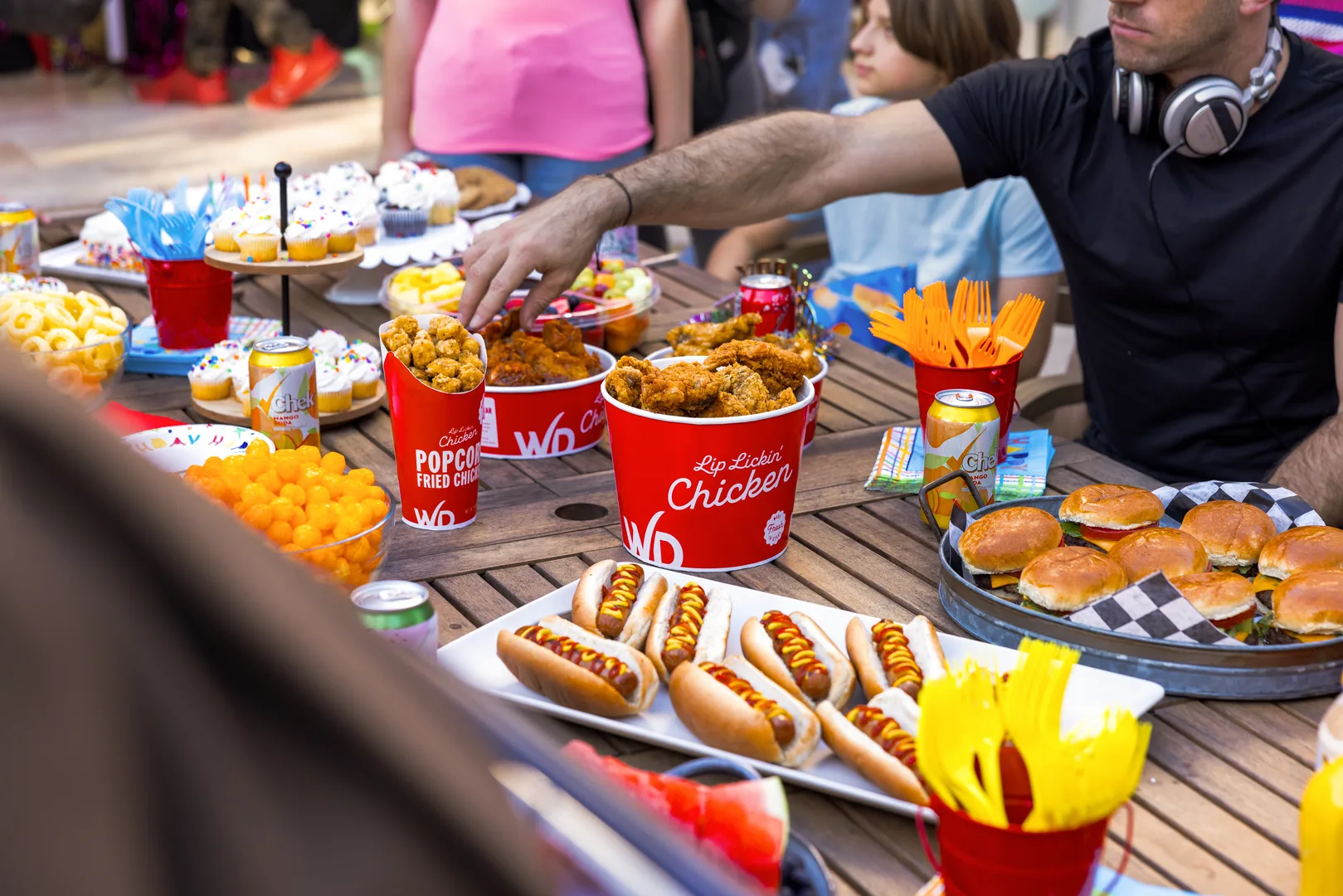
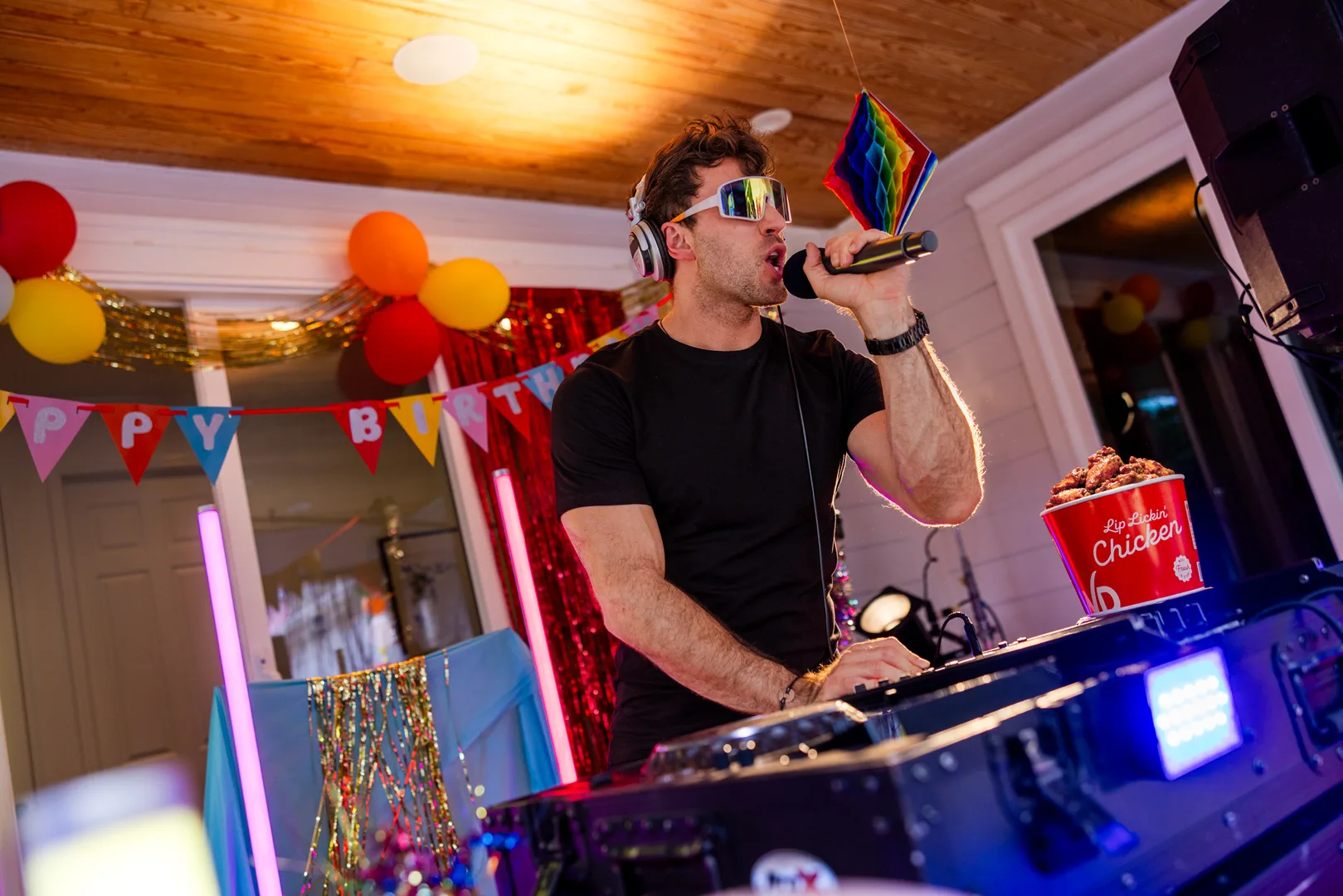
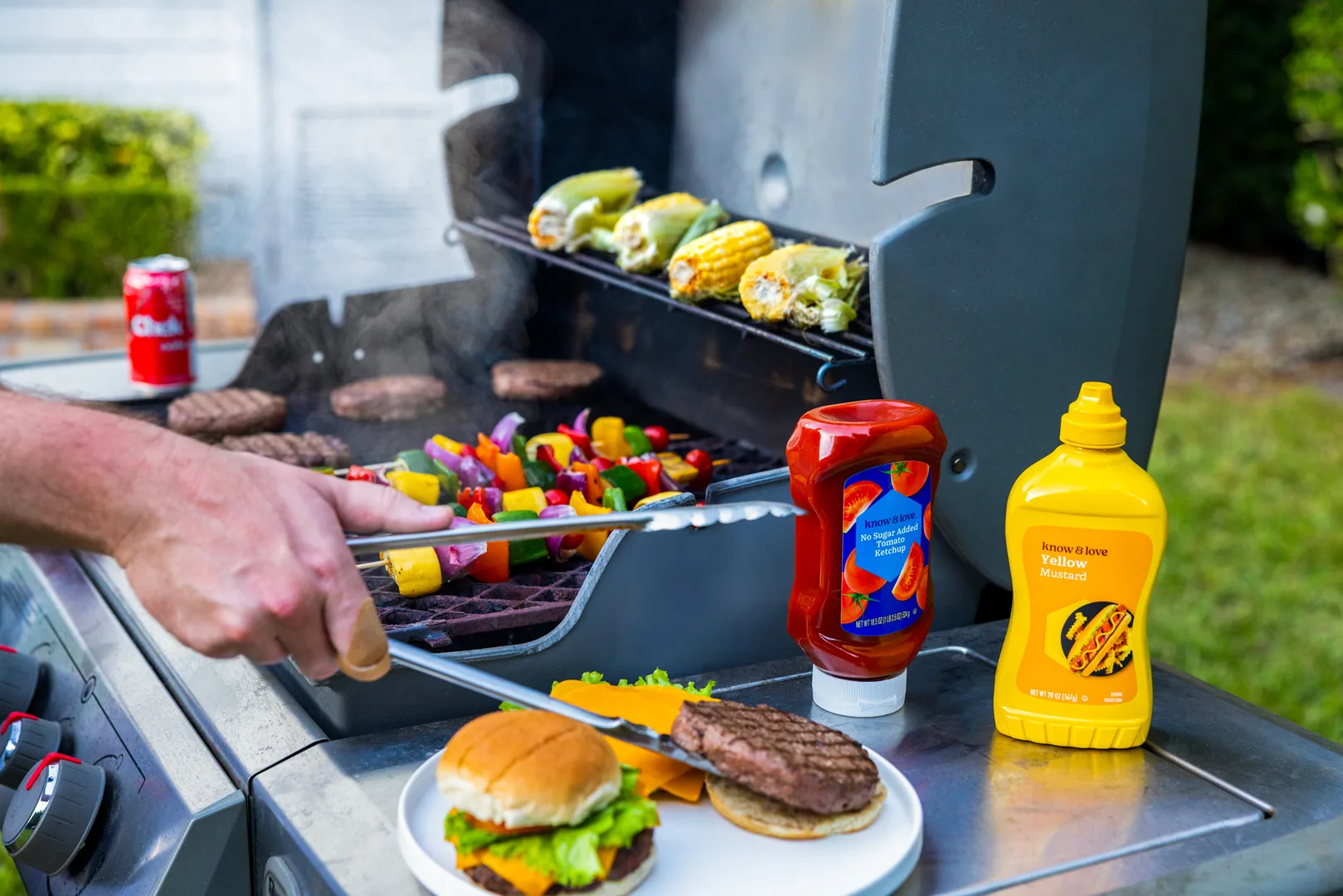
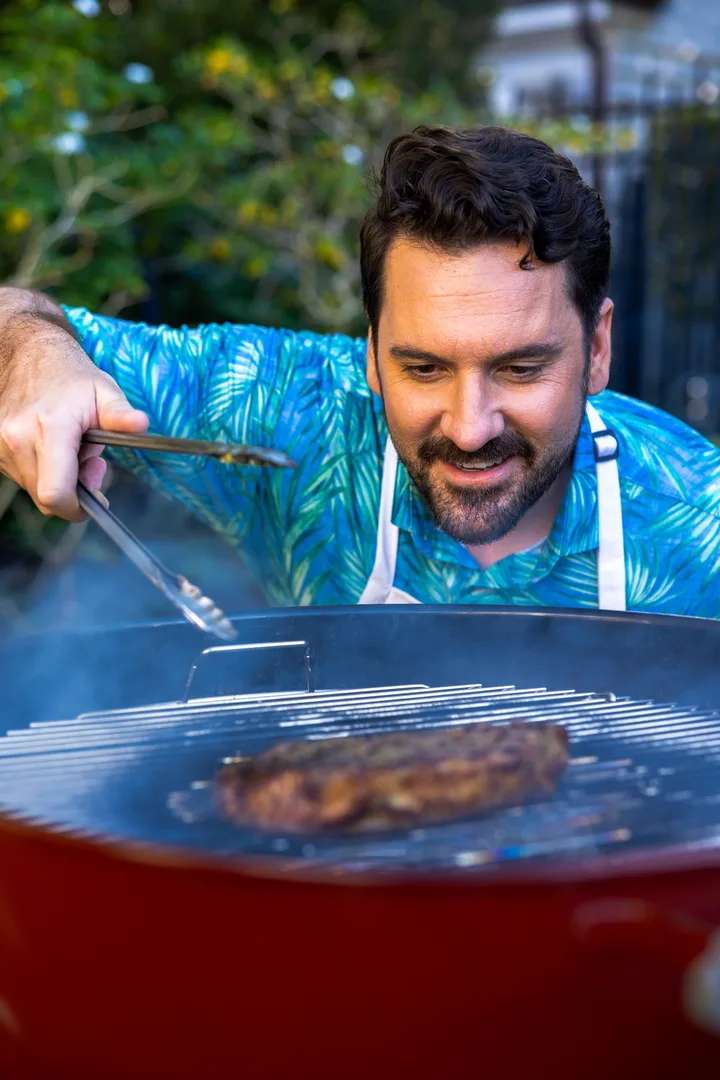
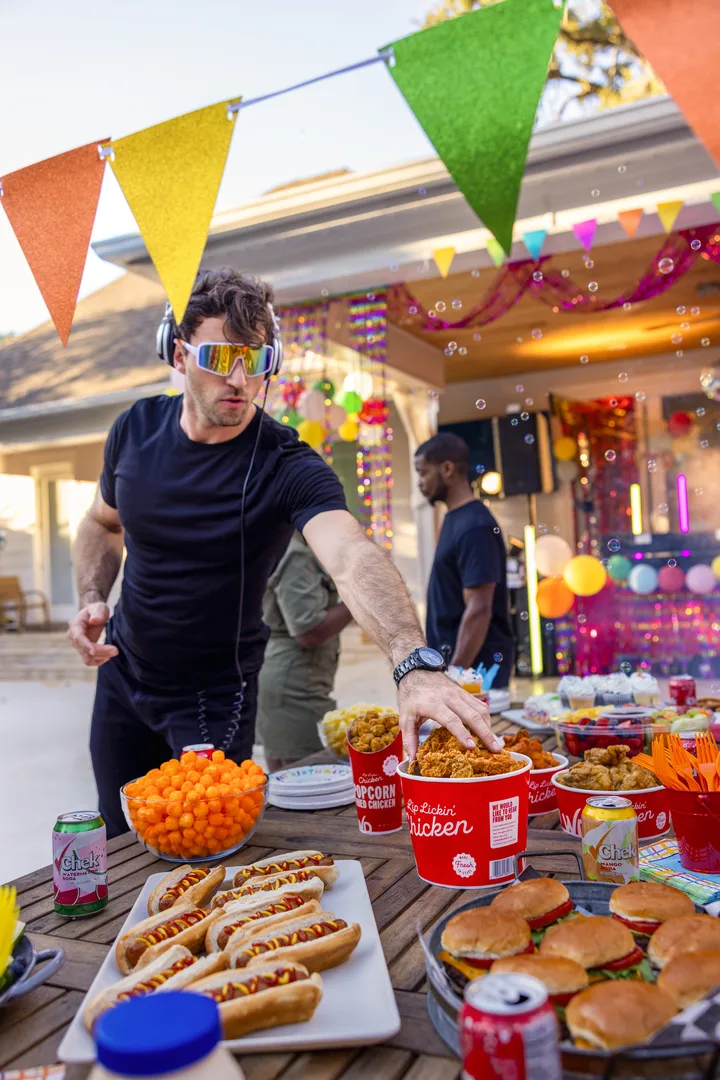
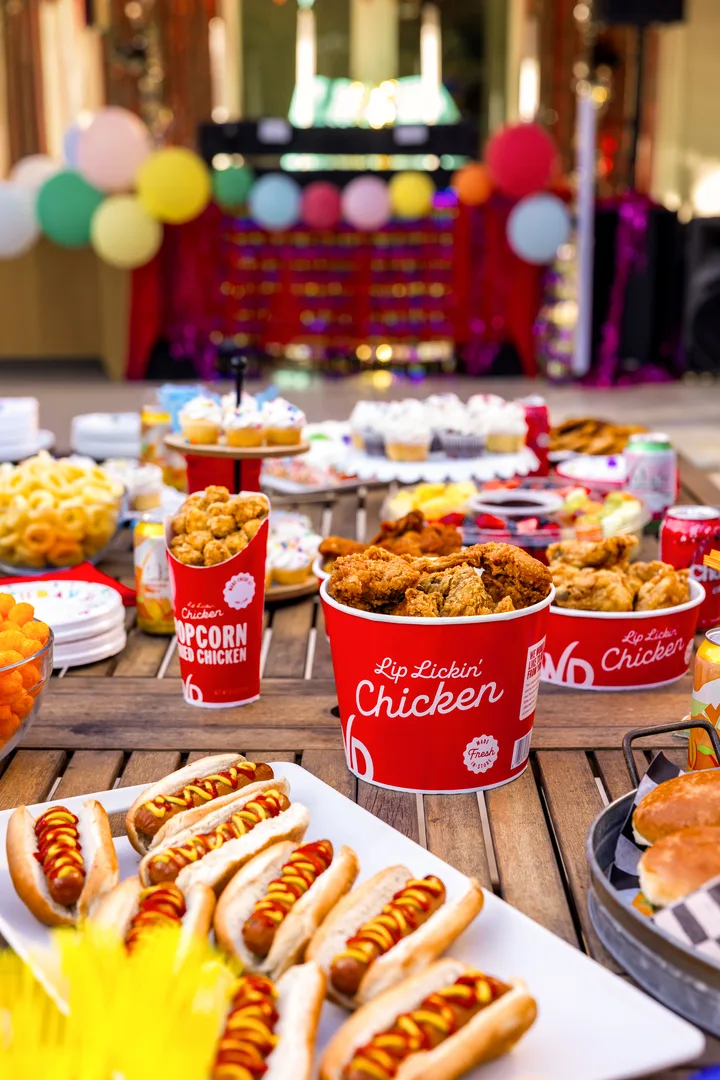
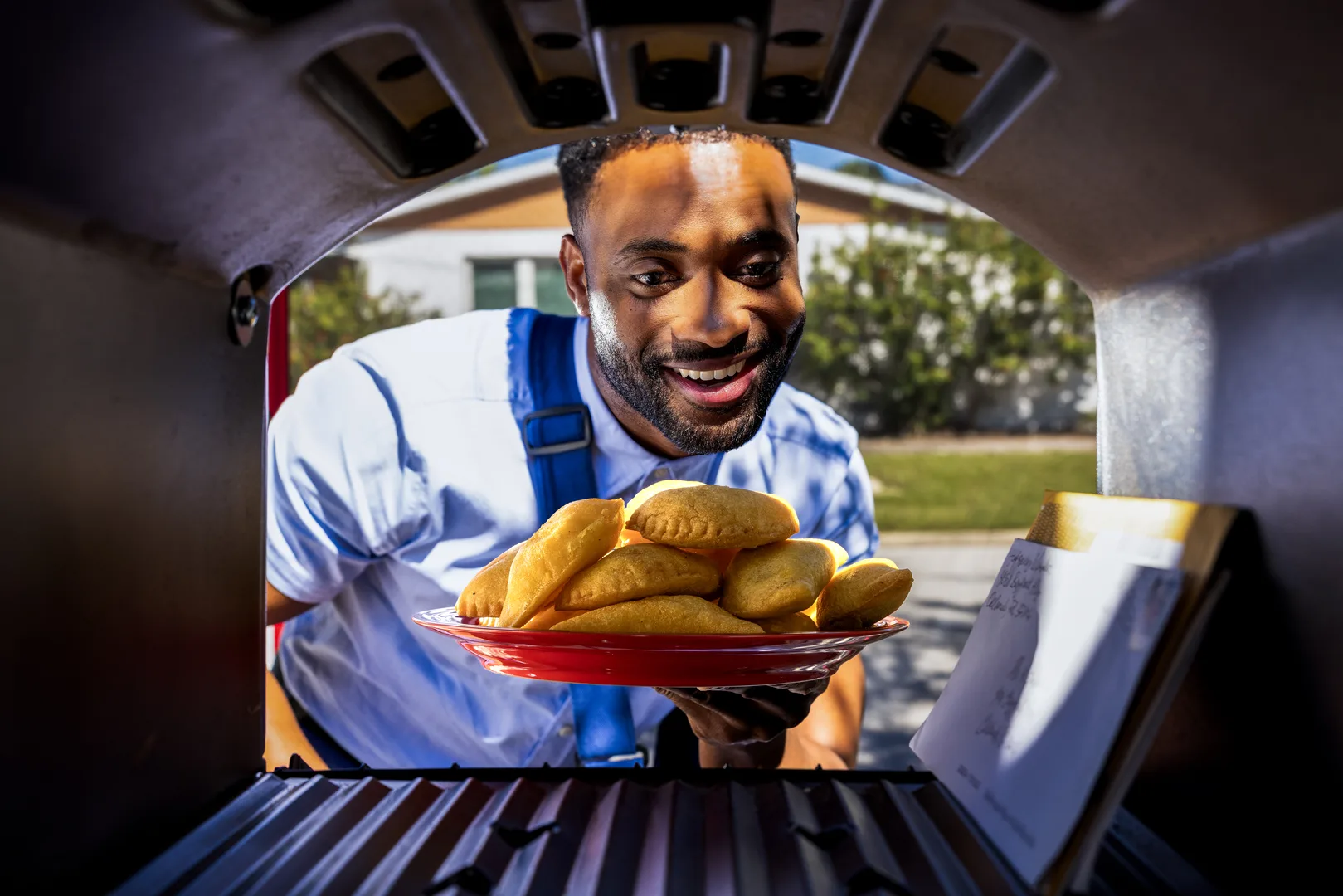
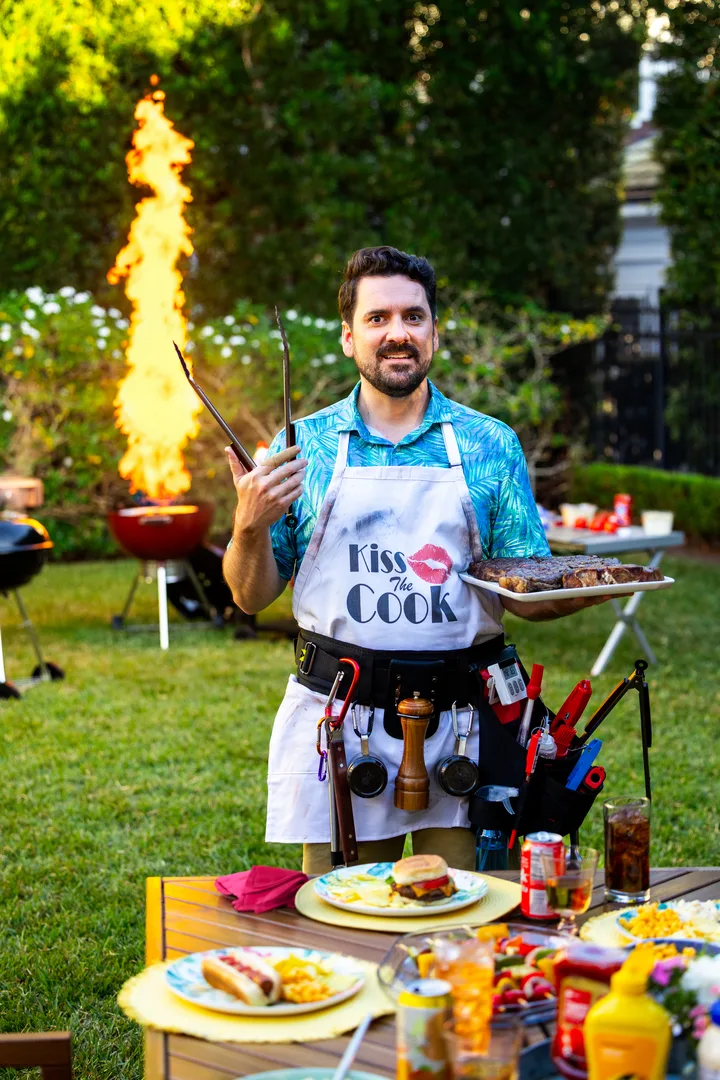
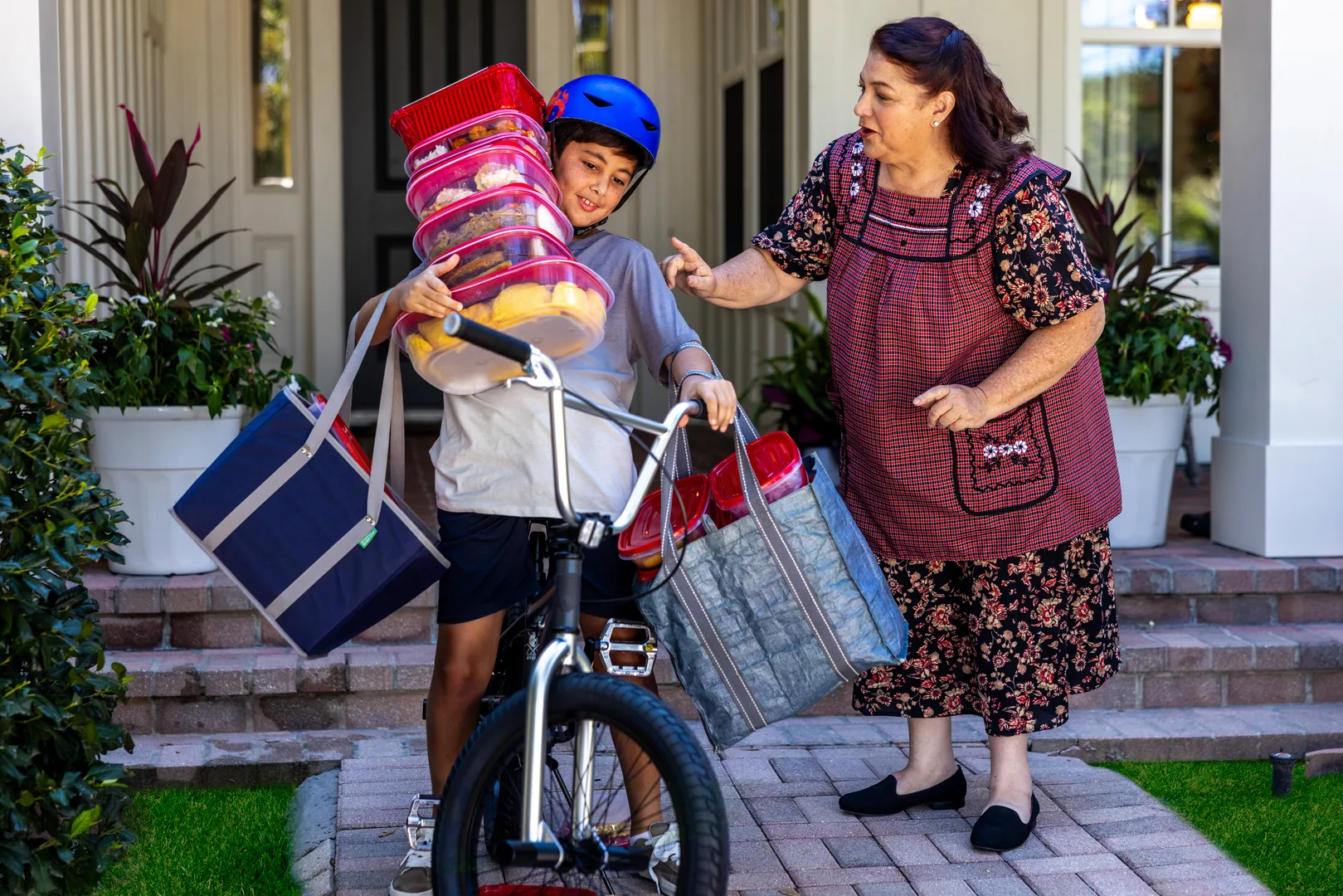
Push landed on "Here for the Neighborhood." The concept celebrated neighborhood characters in an almost heroic sense. An overconfident BBQ dad. An always-feeding-everyone abuela. A snack-scavenging kid. An over-the-top birthday party thrower. Each spot was funny and quirky, never sappy or cheesy. Push ran every script through Ipsos consumer testing and refined them based on real audience feedback. The BBQ Dad concept resonated because customers recalled their own backyard grilling experiences. The Abuela spot leaned into Latin cooking traditions and family WhatsApp groups. The Party Planner was adjusted to be more cost-conscious after testing showed sensitivity around extravagant kid's parties.
By the time Push's scripts were locked and tested, the production scope was massive: hero commercials, cutdowns, social content, photography, and radio. All captured in 3 days. Pull Films brought on McClain to produce it, and this was his roughly 7th Winn-Dixie project through Push. The largest by every measure.
Winn-Dixie is a regional grocery chain with deep roots in the Southeast. For decades, the brand has been a neighborhood staple, the store where families do their weekly shopping, pick up party supplies, and grab ingredients for Sunday dinner. Their customers are generational.
Winn-Dixie was in the middle of a brand refresh, and Push had been leading the effort. The agency's job was to develop a campaign that would re-introduce Winn-Dixie to both current and new customers. The mandate from Winn-Dixie was specific: build a "big idea" foundation that could live and expand for years. Something that would shift perception and drive consideration, not just awareness.
Push landed on "Here for the Neighborhood." The concept celebrated neighborhood characters in an almost heroic sense. An overconfident BBQ dad. An always-feeding-everyone abuela. A snack-scavenging kid. An over-the-top birthday party thrower. Each spot was funny and quirky, never sappy or cheesy. Push ran every script through Ipsos consumer testing and refined them based on real audience feedback. The BBQ Dad concept resonated because customers recalled their own backyard grilling experiences. The Abuela spot leaned into Latin cooking traditions and family WhatsApp groups. The Party Planner was adjusted to be more cost-conscious after testing showed sensitivity around extravagant kid's parties.
By the time Push's scripts were locked and tested, the production scope was massive: hero commercials, cutdowns, social content, photography, and radio. All captured in 3 days. Pull Films brought on McClain to produce it, and this was his roughly 7th Winn-Dixie project through Push. The largest by every measure.
Winn-Dixie is a regional grocery chain with deep roots in the Southeast. For decades, the brand has been a neighborhood staple, the store where families do their weekly shopping, pick up party supplies, and grab ingredients for Sunday dinner. Their customers are generational.
Winn-Dixie was in the middle of a brand refresh, and Push had been leading the effort. The agency's job was to develop a campaign that would re-introduce Winn-Dixie to both current and new customers. The mandate from Winn-Dixie was specific: build a "big idea" foundation that could live and expand for years. Something that would shift perception and drive consideration, not just awareness.
Push landed on "Here for the Neighborhood." The concept celebrated neighborhood characters in an almost heroic sense. An overconfident BBQ dad. An always-feeding-everyone abuela. A snack-scavenging kid. An over-the-top birthday party thrower. Each spot was funny and quirky, never sappy or cheesy. Push ran every script through Ipsos consumer testing and refined them based on real audience feedback. The BBQ Dad concept resonated because customers recalled their own backyard grilling experiences. The Abuela spot leaned into Latin cooking traditions and family WhatsApp groups. The Party Planner was adjusted to be more cost-conscious after testing showed sensitivity around extravagant kid's parties.
By the time Push's scripts were locked and tested, the production scope was massive: hero commercials, cutdowns, social content, photography, and radio. All captured in 3 days. Pull Films brought on McClain to produce it, and this was his roughly 7th Winn-Dixie project through Push. The largest by every measure.
What We Did Differently
Three Units, Two Houses, One Schedule
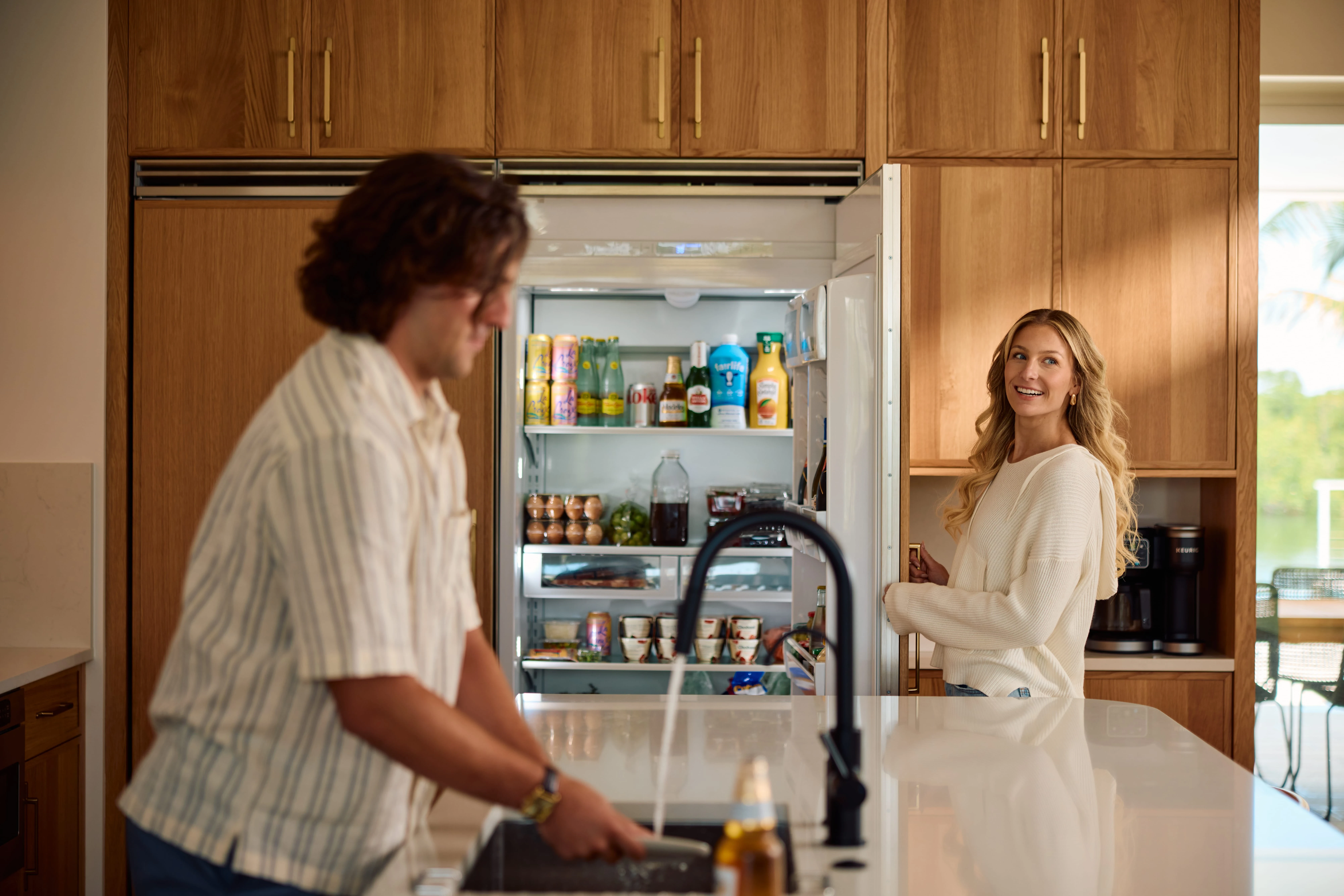
The shoot ran October 22 through 24 across 2 residential locations in Orlando. The team had 3 production units running simultaneously: a hero video unit led by director Christopher Guerrero and DP Sean Patrick Kirby, a social content unit with its own director and coordinator, and still photographer Patrick Michael Chin capturing everything in between.
Both houses were active for 2 of the 3 days, with art, wardrobe, and talent moving between locations on a staggered schedule. When the hero unit was shooting BBQ Dad exteriors at one house, the social team was inside getting kitchen content. When the hero unit moved to Abuela interiors, social flipped to the exterior grill setups. The AD team managed the full schedule across all 3 units, making sure talent, props, and crew never collided.
On Day 2, the production had to physically relocate gear, art, and wardrobe from one house to the other mid-day. The art team began prepping the second house that morning while the hero unit finished Abuela exteriors at the first location. By the time the video unit walked into the second home at 11:30, lights were already set and the space was dressed.
Push's Creative Direction Meets Production Reality
Push's creative team, led by Creative Director Kevin Harrell and CCO Mark Unger, had built these spots around specific characters and moments. Each one had been tested with consumers and refined. The production challenge was translating scripts that were written to be funny and warm into something that actually felt funny and warm on camera.
Kevin and Christopher Guerrero led the casting process together, running live auditions with casting directors Ron and Brandy Goleman. Principal talent included a dad, an abuela, families for each spot, plus background for the party and BBQ scenes. Day 1 alone had 10 performers on the call sheet. McClain provided casting options and handled the talent negotiations, working directly with agents to make sure the creative team got their first choices in every role.
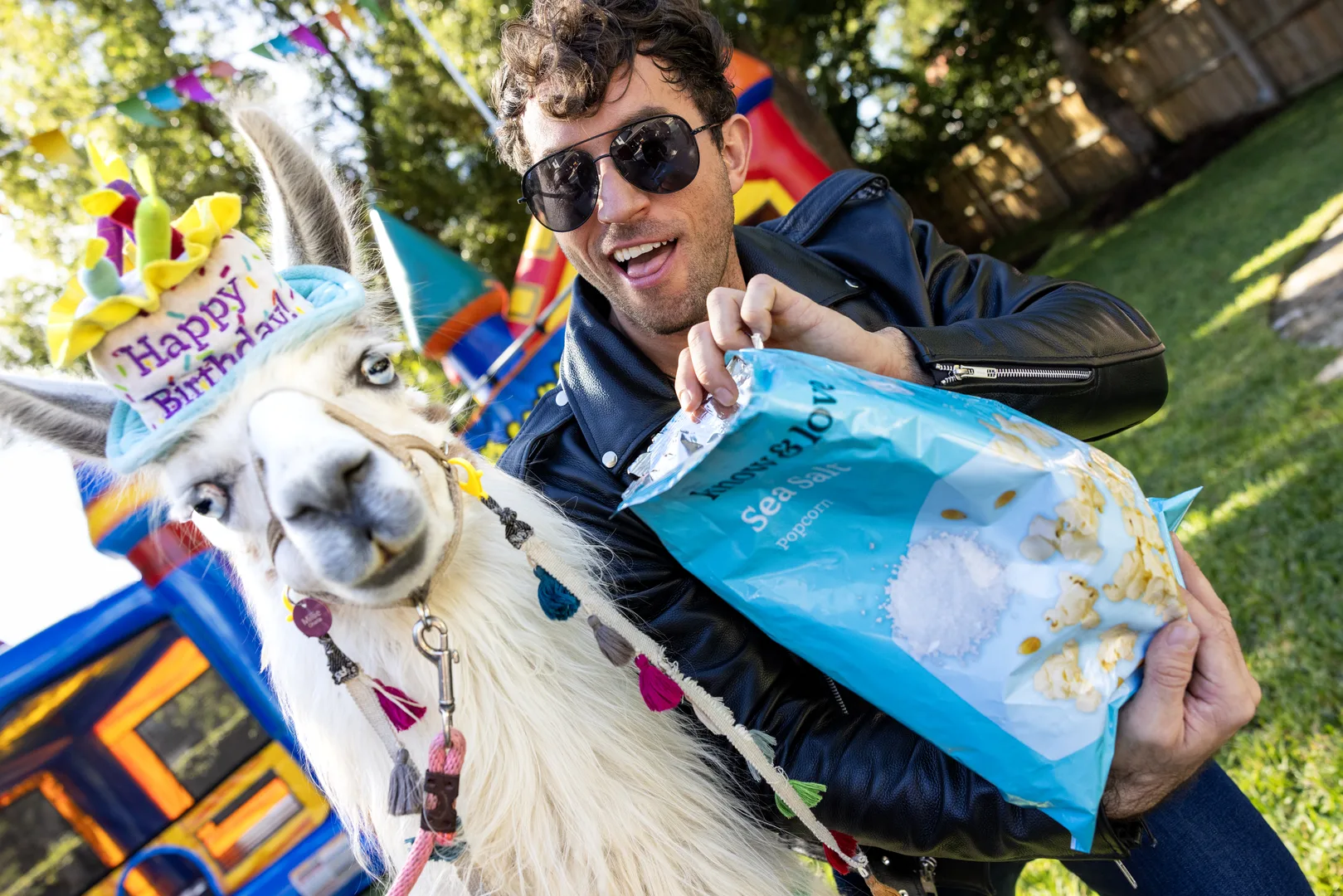
And then there was the party planner spot, which featured a live llama. The animal wrangler spent the weekend before the shoot doing prep days at the location, walking the llama through the house to make sure it was comfortable in enclosed spaces, introducing it to children, and confirming it could eat carrots out of a kid's hand on camera. That kind of detail doesn't show up in the final :30, but it's the difference between a smooth shoot day and a chaotic one. It's all in the pre-pro.
From Lighting Diagrams to Final Frame
DP Sean Patrick Kirby created detailed lighting diagrams for each setup before arriving on set. Technical plans that let him communicate his vision to the grip and electric team before the first light was ever plugged in. The progression from diagram to behind-the-scenes setup to final frame tells its own story about how much planning goes into making something look effortless. [Visual: lighting diagram, BTS photo, and final frame side by side.]
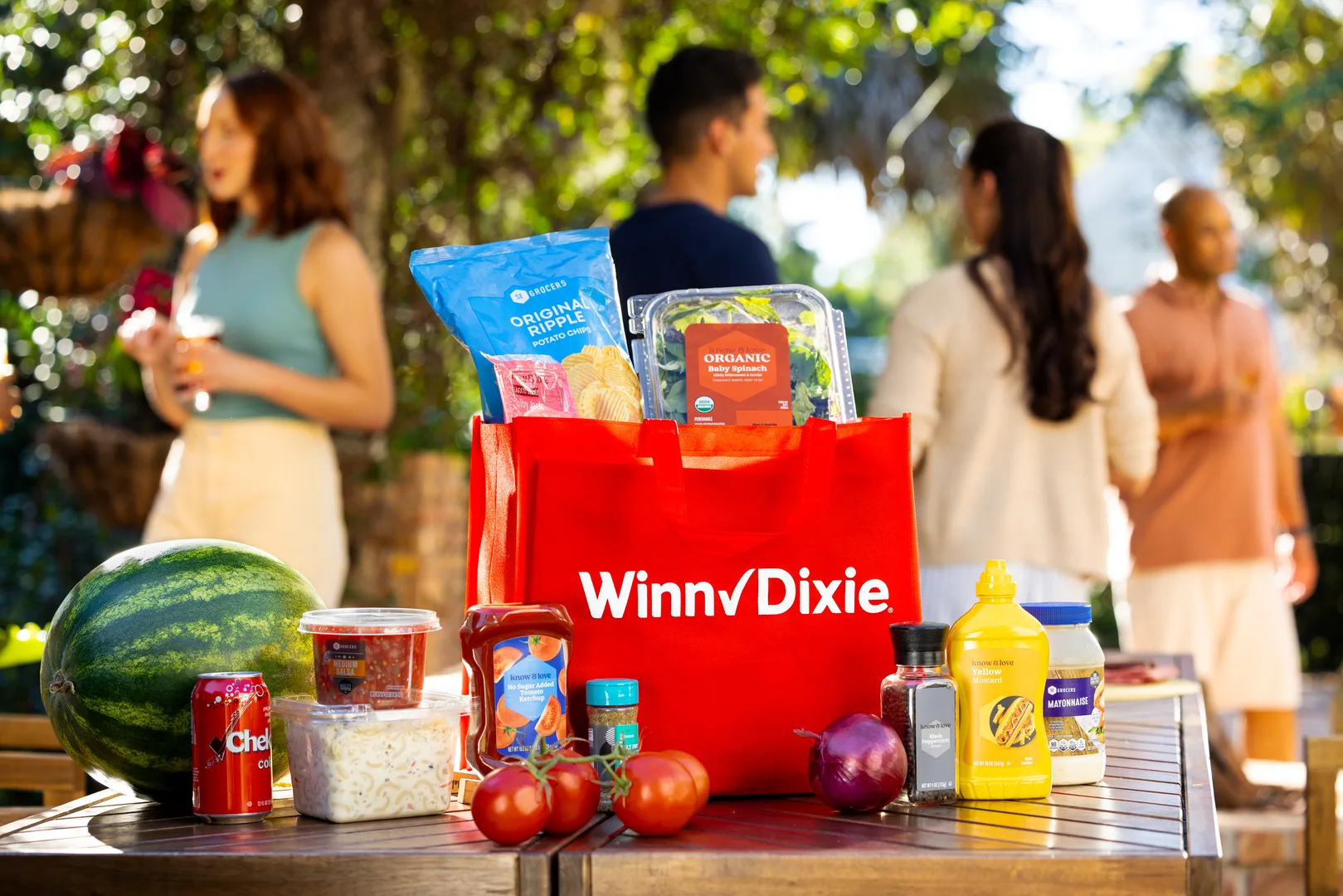
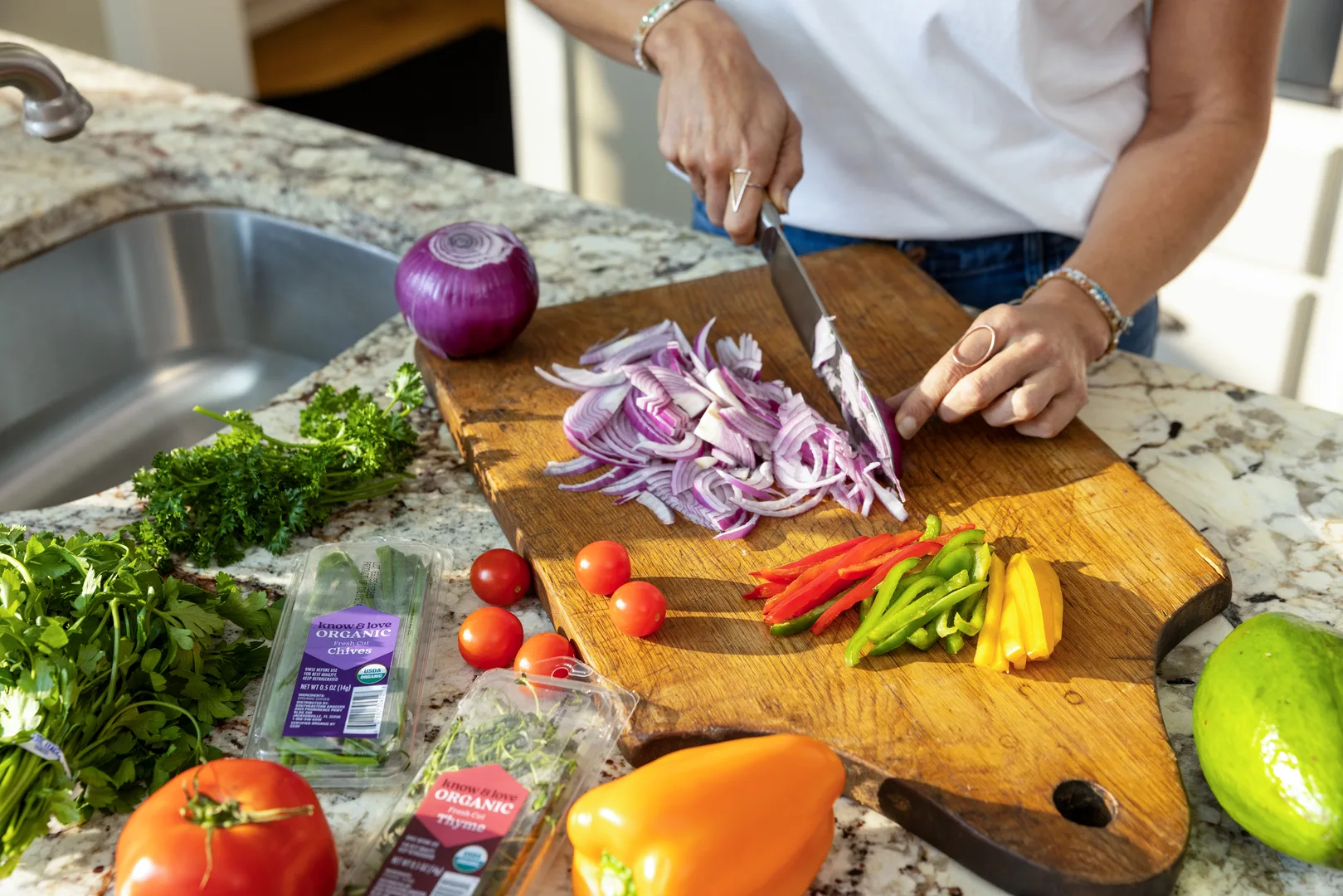
The food styling team had to make grocery store products look both real and appetizing across every spot. The Abuela kitchen scenes required authentic Latin cooking setups. The BBQ scenes needed that backyard-in-summer feel. Everything had to look like someone's actual kitchen, someone's actual backyard. Not a food commercial.
Post-production ran through January 2026. Push's editor Michael Germano cut the spots, with Randy Mease at Sweet Audio handling the audio mix and voiceover sessions. The Abuela spot was delivered in both English and Spanish, requiring separate VO talent and mix sessions. All hero spots were delivered in multiple formats at both :30 and :15 lengths.
Three Units, Two Houses, One Schedule
The shoot ran October 22 through 24 across 2 residential locations in Orlando. The team had 3 production units running simultaneously: a hero video unit led by director Christopher Guerrero and DP Sean Patrick Kirby, a social content unit with its own director and coordinator, and still photographer Patrick Michael Chin capturing everything in between.
Both houses were active for 2 of the 3 days, with art, wardrobe, and talent moving between locations on a staggered schedule. When the hero unit was shooting BBQ Dad exteriors at one house, the social team was inside getting kitchen content. When the hero unit moved to Abuela interiors, social flipped to the exterior grill setups. The AD team managed the full schedule across all 3 units, making sure talent, props, and crew never collided.
On Day 2, the production had to physically relocate gear, art, and wardrobe from one house to the other mid-day. The art team began prepping the second house that morning while the hero unit finished Abuela exteriors at the first location. By the time the video unit walked into the second home at 11:30, lights were already set and the space was dressed.
Push's Creative Direction Meets Production Reality
Push's creative team, led by Creative Director Kevin Harrell and CCO Mark Unger, had built these spots around specific characters and moments. Each one had been tested with consumers and refined. The production challenge was translating scripts that were written to be funny and warm into something that actually felt funny and warm on camera.
Kevin and Christopher Guerrero led the casting process together, running live auditions with casting directors Ron and Brandy Goleman. Principal talent included a dad, an abuela, families for each spot, plus background for the party and BBQ scenes. Day 1 alone had 10 performers on the call sheet. McClain provided casting options and handled the talent negotiations, working directly with agents to make sure the creative team got their first choices in every role.
And then there was the party planner spot, which featured a live llama. The animal wrangler spent the weekend before the shoot doing prep days at the location, walking the llama through the house to make sure it was comfortable in enclosed spaces, introducing it to children, and confirming it could eat carrots out of a kid's hand on camera. That kind of detail doesn't show up in the final :30, but it's the difference between a smooth shoot day and a chaotic one. It's all in the pre-pro.
From Lighting Diagrams to Final Frame
DP Sean Patrick Kirby created detailed lighting diagrams for each setup before arriving on set. Technical plans that let him communicate his vision to the grip and electric team before the first light was ever plugged in. The progression from diagram to behind-the-scenes setup to final frame tells its own story about how much planning goes into making something look effortless. [Visual: lighting diagram, BTS photo, and final frame side by side.]
The food styling team had to make grocery store products look both real and appetizing across every spot. The Abuela kitchen scenes required authentic Latin cooking setups. The BBQ scenes needed that backyard-in-summer feel. Everything had to look like someone's actual kitchen, someone's actual backyard. Not a food commercial.
Post-production ran through January 2026. Push's editor Michael Germano cut the spots, with Randy Mease at Sweet Audio handling the audio mix and voiceover sessions. The Abuela spot was delivered in both English and Spanish, requiring separate VO talent and mix sessions. All hero spots were delivered in multiple formats at both :30 and :15 lengths.
Three Units, Two Houses, One Schedule
The shoot ran October 22 through 24 across 2 residential locations in Orlando. The team had 3 production units running simultaneously: a hero video unit led by director Christopher Guerrero and DP Sean Patrick Kirby, a social content unit with its own director and coordinator, and still photographer Patrick Michael Chin capturing everything in between.
Both houses were active for 2 of the 3 days, with art, wardrobe, and talent moving between locations on a staggered schedule. When the hero unit was shooting BBQ Dad exteriors at one house, the social team was inside getting kitchen content. When the hero unit moved to Abuela interiors, social flipped to the exterior grill setups. The AD team managed the full schedule across all 3 units, making sure talent, props, and crew never collided.
On Day 2, the production had to physically relocate gear, art, and wardrobe from one house to the other mid-day. The art team began prepping the second house that morning while the hero unit finished Abuela exteriors at the first location. By the time the video unit walked into the second home at 11:30, lights were already set and the space was dressed.
Push's Creative Direction Meets Production Reality
Push's creative team, led by Creative Director Kevin Harrell and CCO Mark Unger, had built these spots around specific characters and moments. Each one had been tested with consumers and refined. The production challenge was translating scripts that were written to be funny and warm into something that actually felt funny and warm on camera.
Kevin and Christopher Guerrero led the casting process together, running live auditions with casting directors Ron and Brandy Goleman. Principal talent included a dad, an abuela, families for each spot, plus background for the party and BBQ scenes. Day 1 alone had 10 performers on the call sheet. McClain provided casting options and handled the talent negotiations, working directly with agents to make sure the creative team got their first choices in every role.
And then there was the party planner spot, which featured a live llama. The animal wrangler spent the weekend before the shoot doing prep days at the location, walking the llama through the house to make sure it was comfortable in enclosed spaces, introducing it to children, and confirming it could eat carrots out of a kid's hand on camera. That kind of detail doesn't show up in the final :30, but it's the difference between a smooth shoot day and a chaotic one. It's all in the pre-pro.
From Lighting Diagrams to Final Frame
DP Sean Patrick Kirby created detailed lighting diagrams for each setup before arriving on set. Technical plans that let him communicate his vision to the grip and electric team before the first light was ever plugged in. The progression from diagram to behind-the-scenes setup to final frame tells its own story about how much planning goes into making something look effortless. [Visual: lighting diagram, BTS photo, and final frame side by side.]
The food styling team had to make grocery store products look both real and appetizing across every spot. The Abuela kitchen scenes required authentic Latin cooking setups. The BBQ scenes needed that backyard-in-summer feel. Everything had to look like someone's actual kitchen, someone's actual backyard. Not a food commercial.
Post-production ran through January 2026. Push's editor Michael Germano cut the spots, with Randy Mease at Sweet Audio handling the audio mix and voiceover sessions. The Abuela spot was delivered in both English and Spanish, requiring separate VO talent and mix sessions. All hero spots were delivered in multiple formats at both :30 and :15 lengths.
Results
Results
Results
3 of the hero spots released on YouTube have combined for over 29 million views. "Feasts as Big as Abuelita's Love" alone has 21 million. The Party Planner and Snack Scavenger spots each have 3.9 million. Instagram adds several million more. The full delivery package included 5 hero commercials in both :30 and :15 formats, 10 social videos, 50+ retouched photo selects, and radio spots. Additional hero content is still rolling out. All of this came from a 3-day shoot with 46 crew members across 3 simultaneous production units, delivered on schedule. The campaign launched Winn-Dixie's brand refresh across CTV, social, and digital, and conversations about what comes next are already underway.
What We Learned
What We Learned
What We Learned
A production this size only works when every team is aligned before Day 1. Push had the scripts tested and locked. Christopher Guerrero and Kevin Harrell had their casting finalized. The locations were scouted and staggered so the art team could prep the second house while the hero unit was still shooting at the first. Lighting diagrams were built before the tech scout even happened. That kind of alignment across agency, director, and production doesn't happen by accident. It takes pre-production calls where everyone is in the room, honest conversations about what's realistic in a 3-day window, and a schedule that accounts for the fact that an art truck moving from one house to another takes real time. 30 million views is the number people see. The thing that made it possible was 6 weeks of prep and a team that trusted each other enough to run 3 units at once without stepping on each other's shots.


If you're planning a campaign that needs to capture this much content in this few days, we should talk.

More Projects:
More Projects:
More Projects:
Start the conversation today
Let’s make something that feels good to create
— and good to share.
Do you prefer email?
hello@chalant.us
Copied
How do we connect?
We reply within 24 hours
Direct access to our team — no bots.
We ask smart questions fast.

Team leader
Start the conversation today
Let’s make something that feels good to create
— and good to share.
Do you prefer email?
hello@chalant.us
Copied
How do we connect?
We reply within 24 hours
Direct access to our team — no bots.
We ask smart questions fast.

Team leader
Start the conversation today
Let’s make something that feels good to create
— and good to share.
Do you prefer email?
hello@chalant.us
Copied
How do we connect?
We reply within 24 hours
Direct access to our team — no bots.
We ask smart questions fast.

Team leader