Amazon
Amazon
A Hundred Stories in Three Days
A Hundred Stories in Three Days
Spoiler: It Turned Out Great.
Spoiler: It Turned Out Great.
Spoiler: It Turned Out Great.


Overview
Overview
Overview
The Call You Get From Reputation
The Call You Get From Reputation
The Call You Get From Reputation
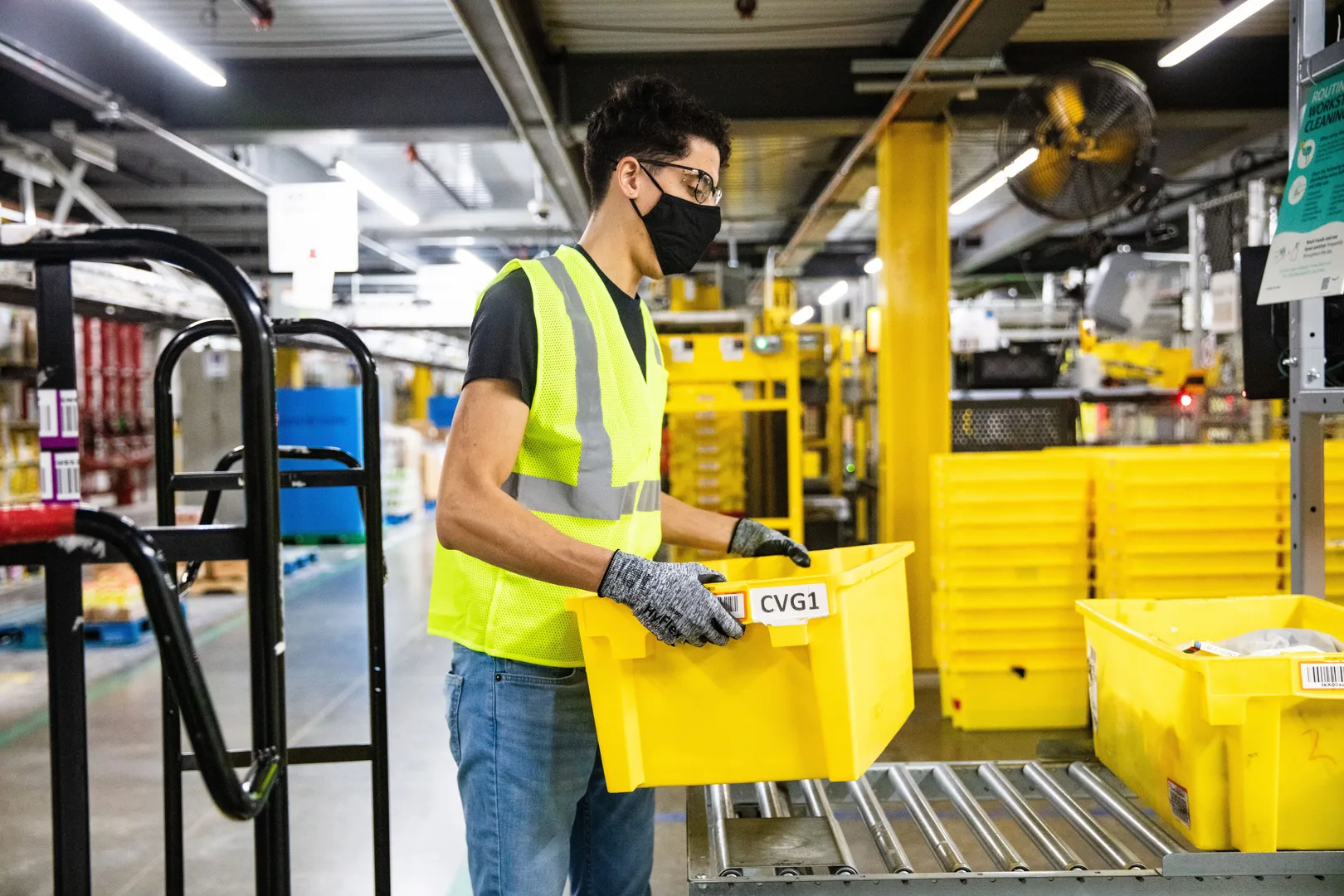
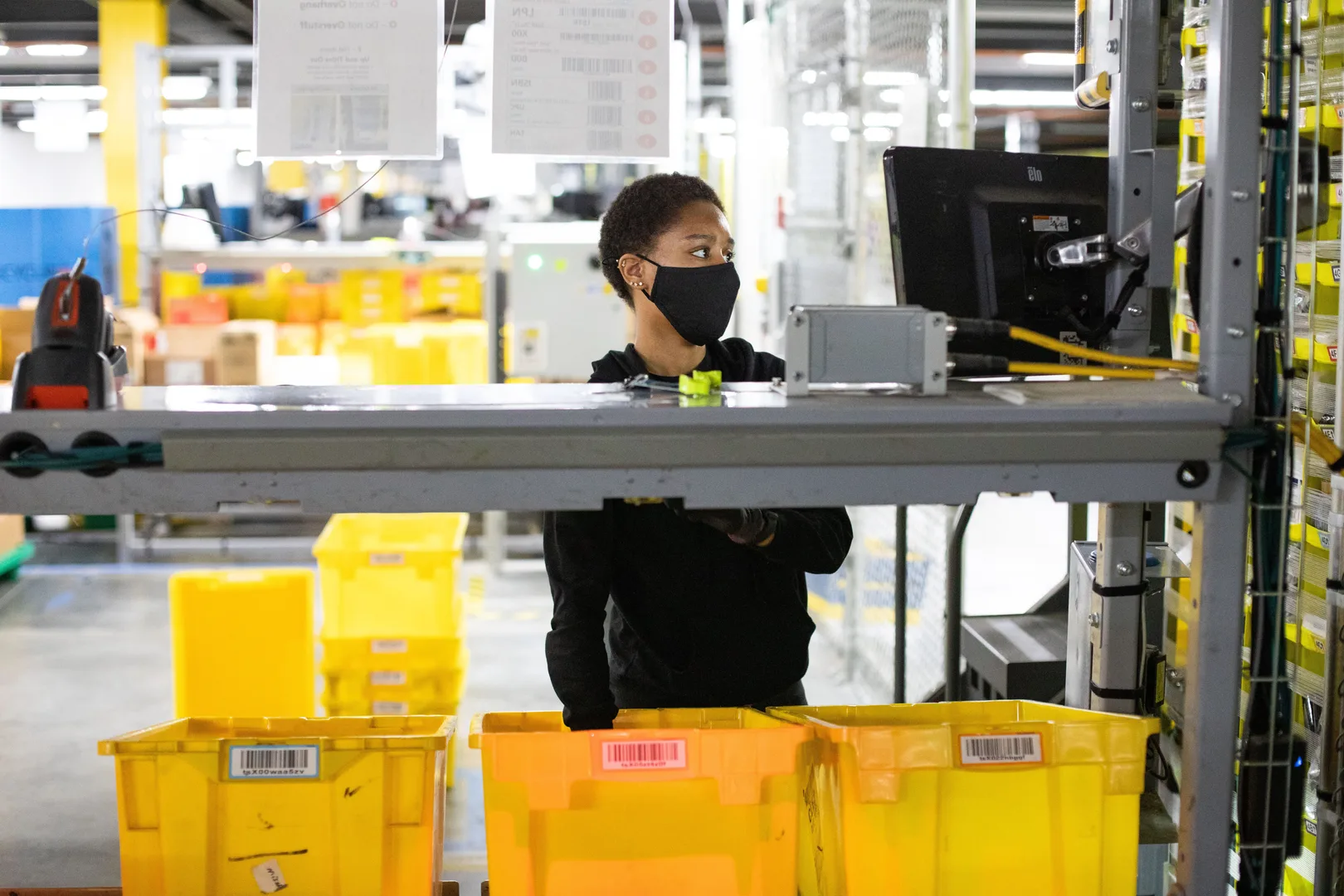
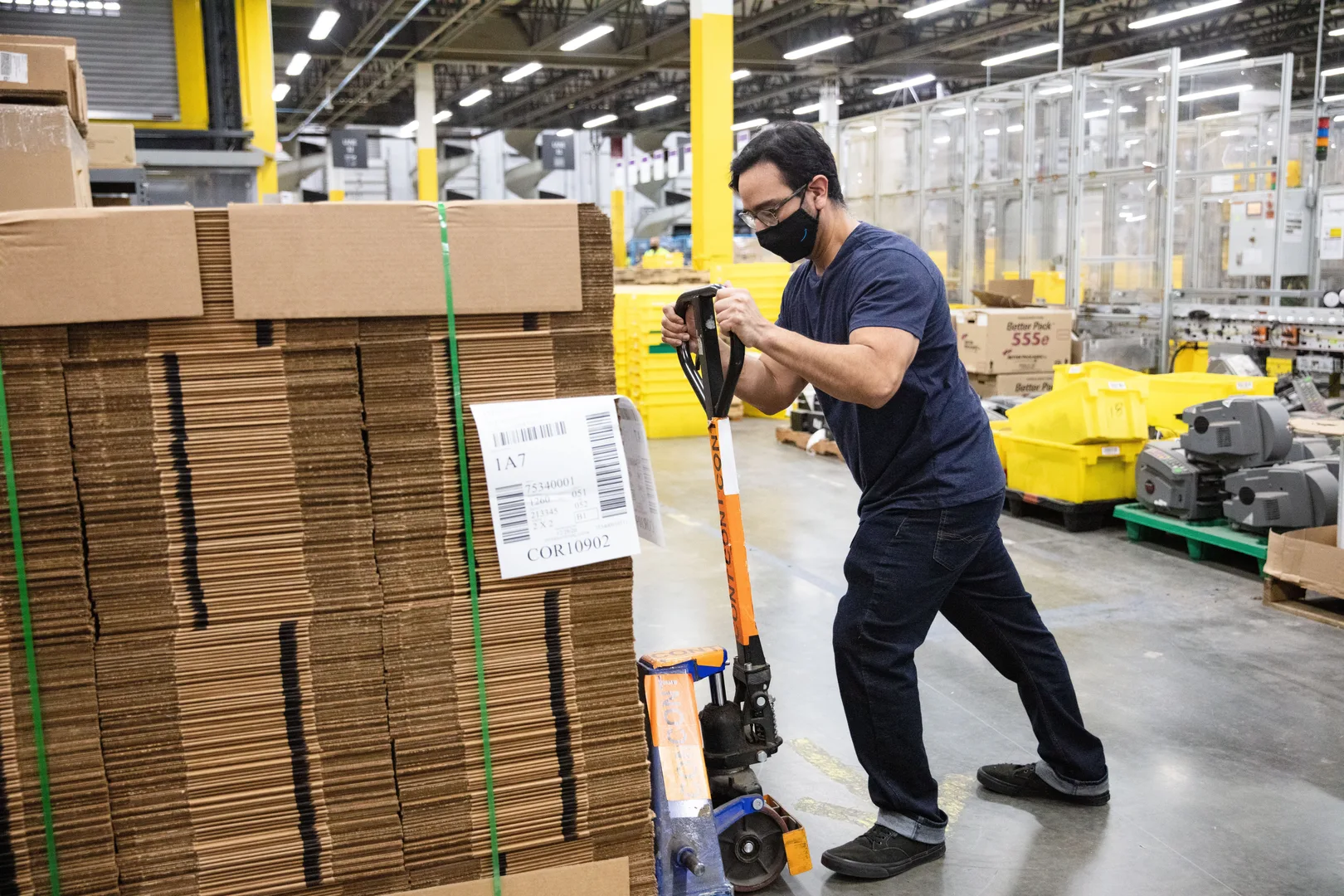
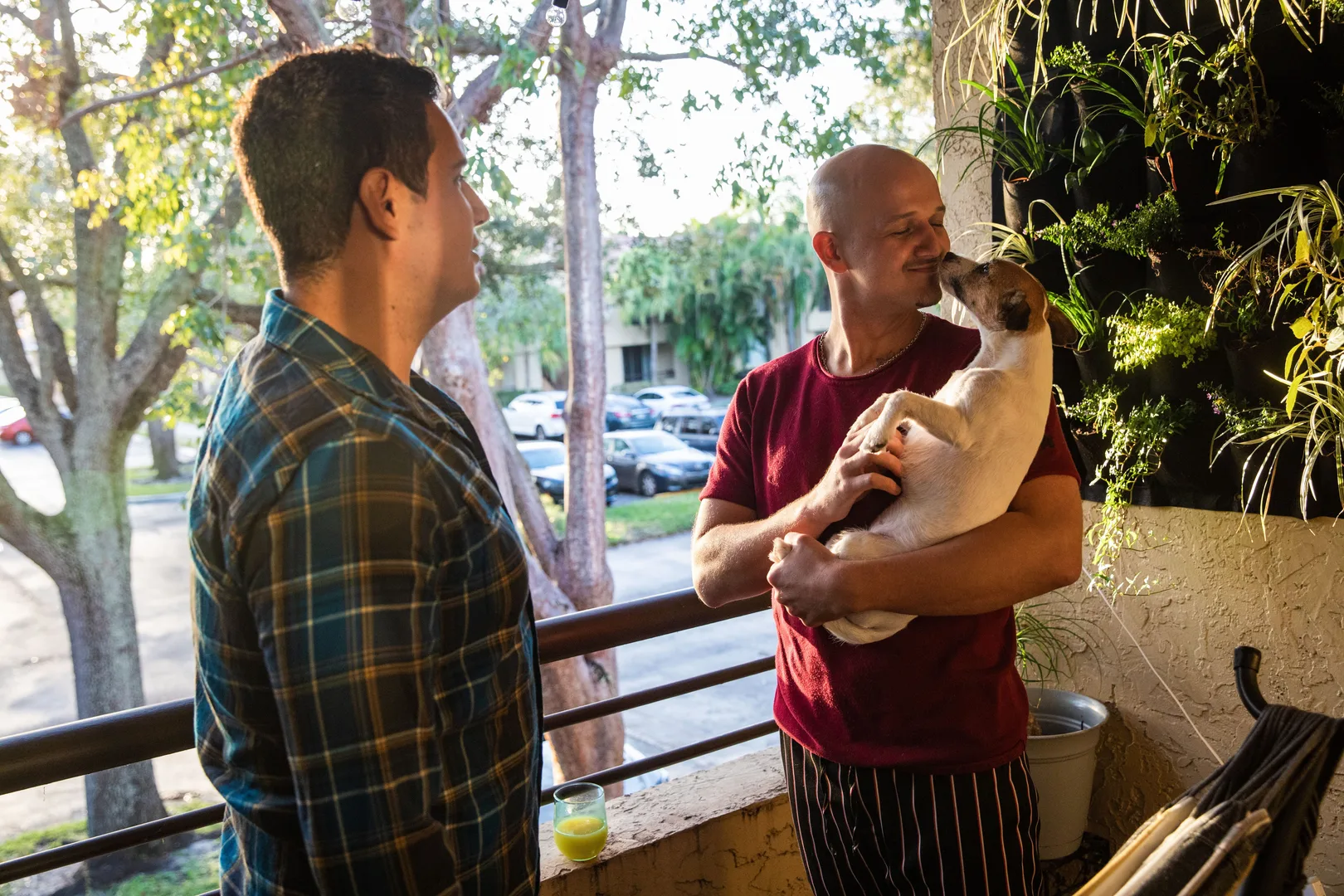
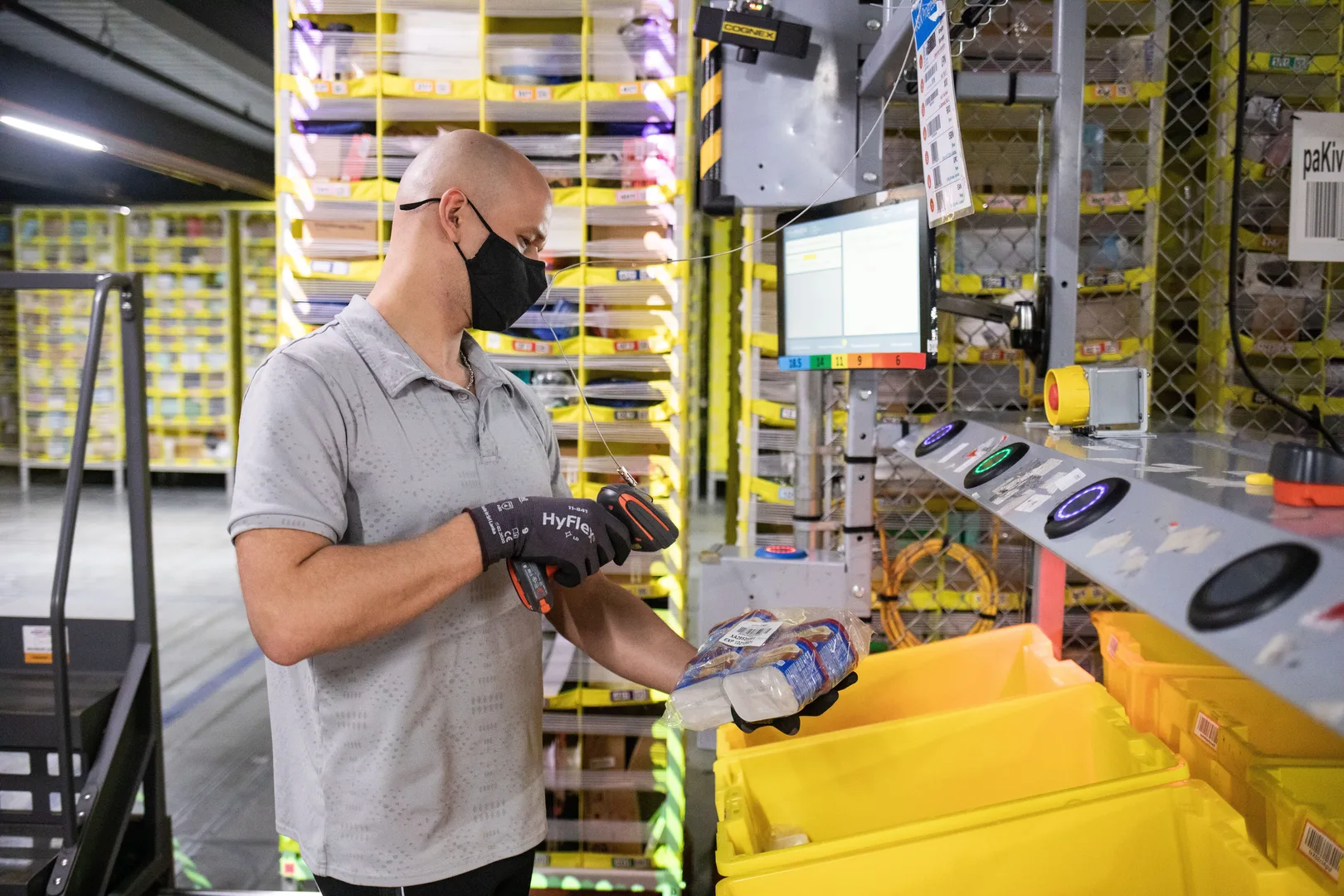
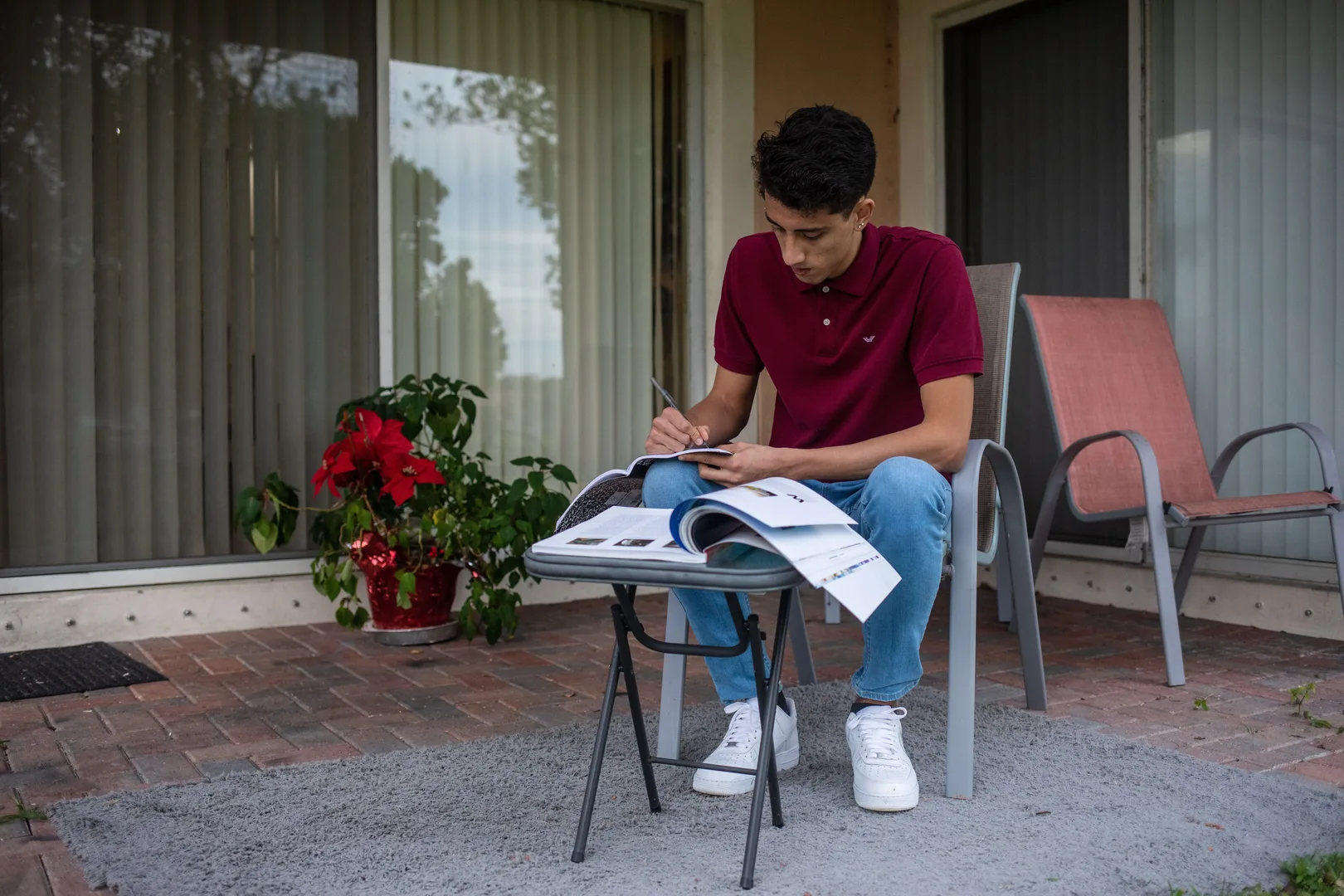
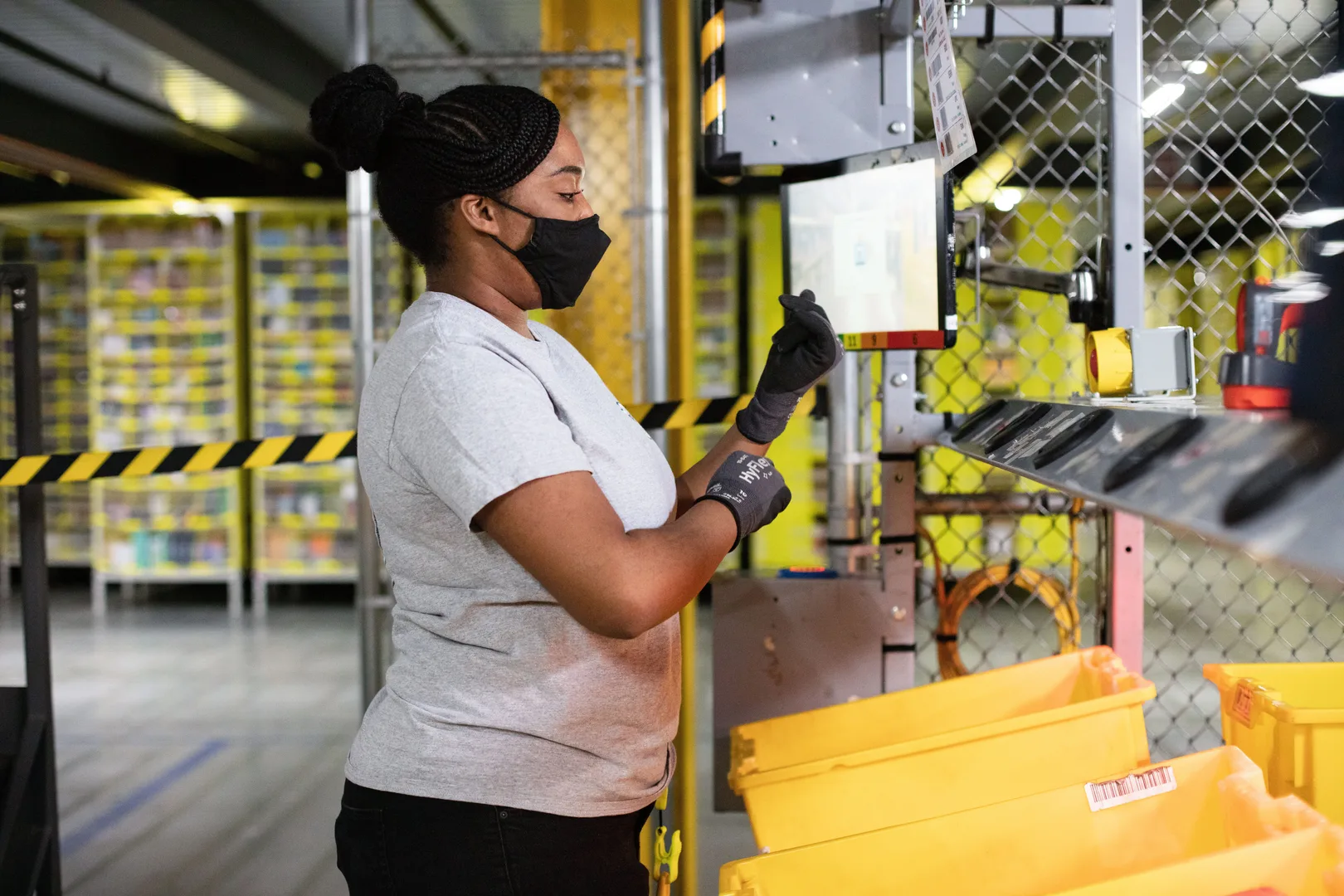
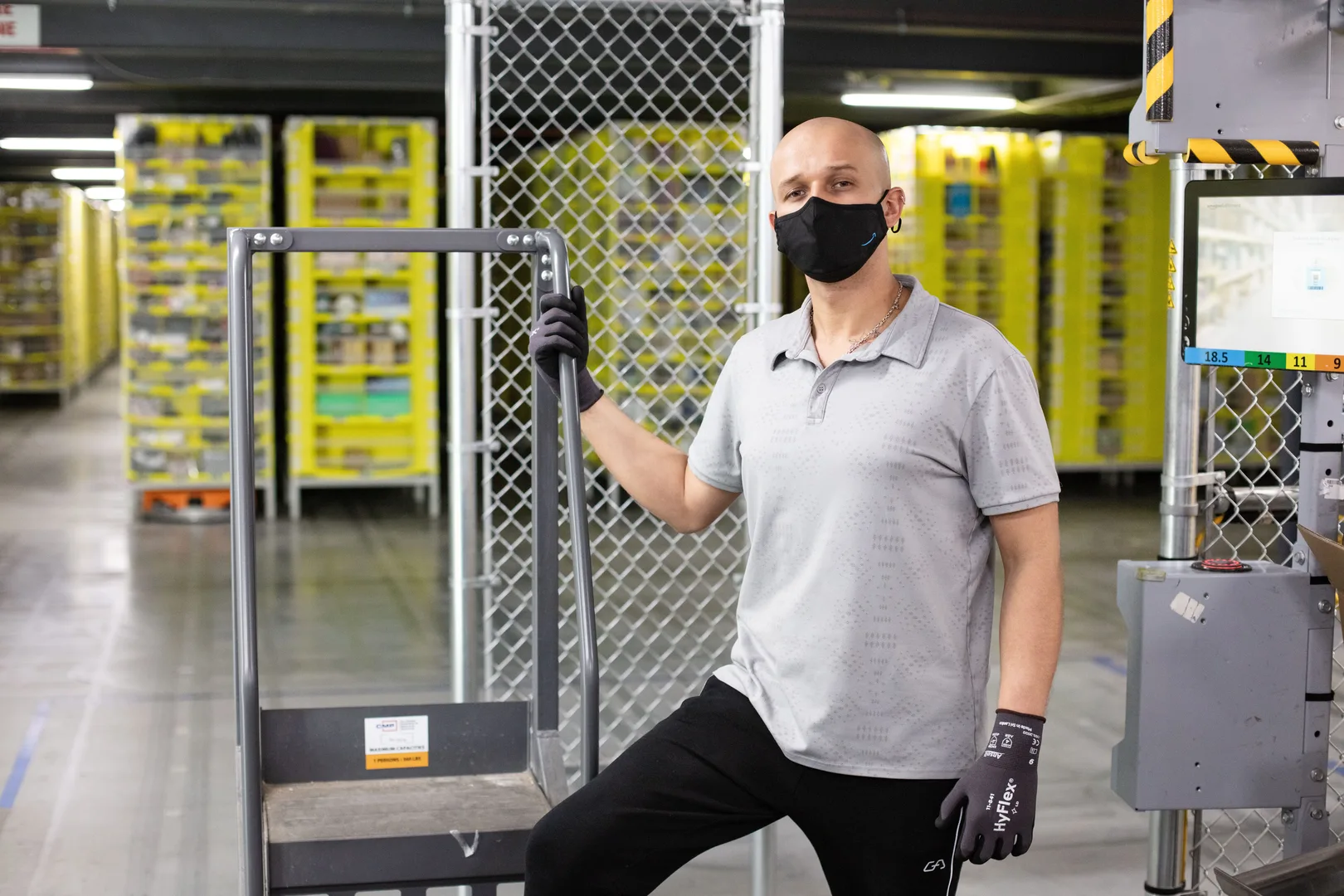
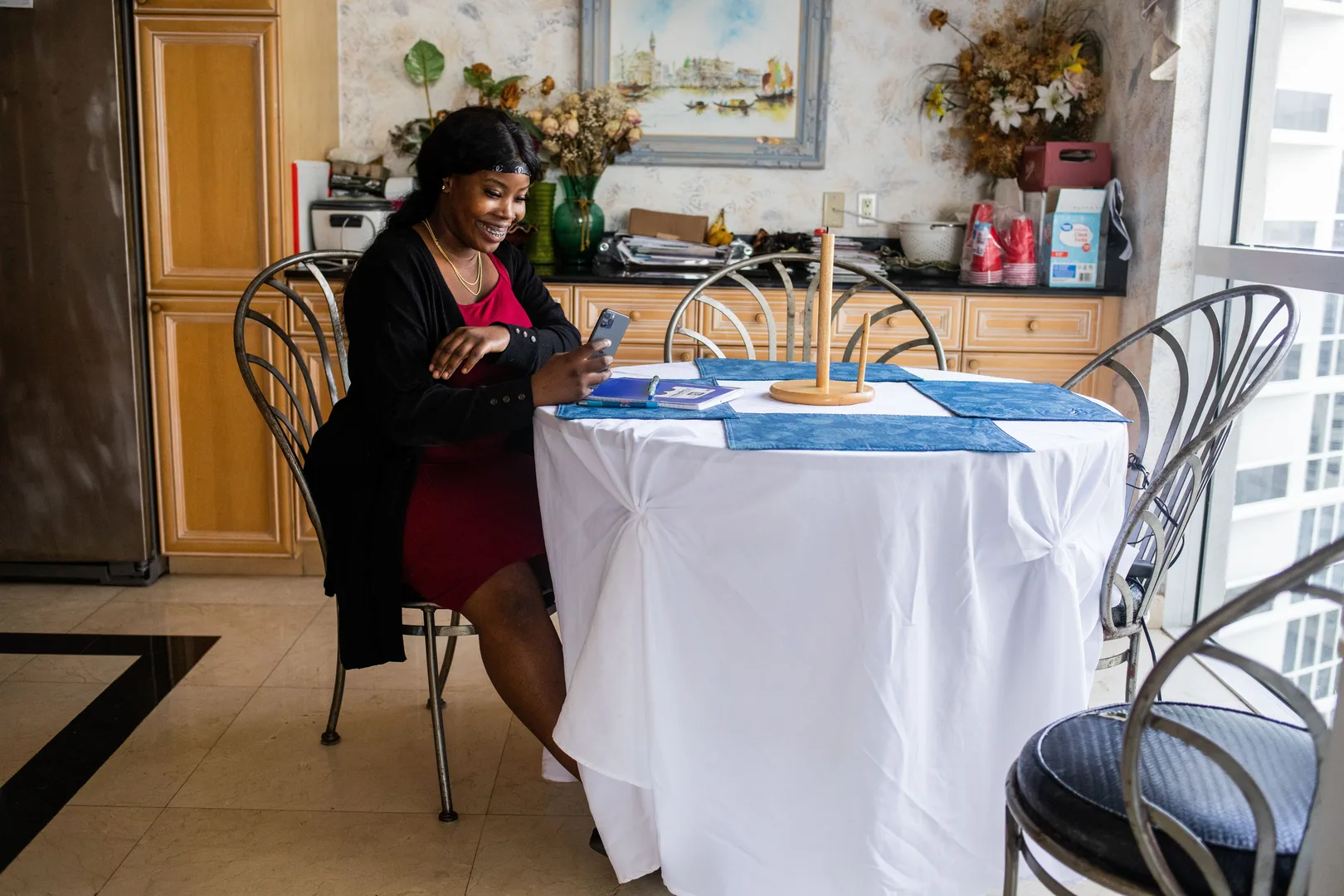
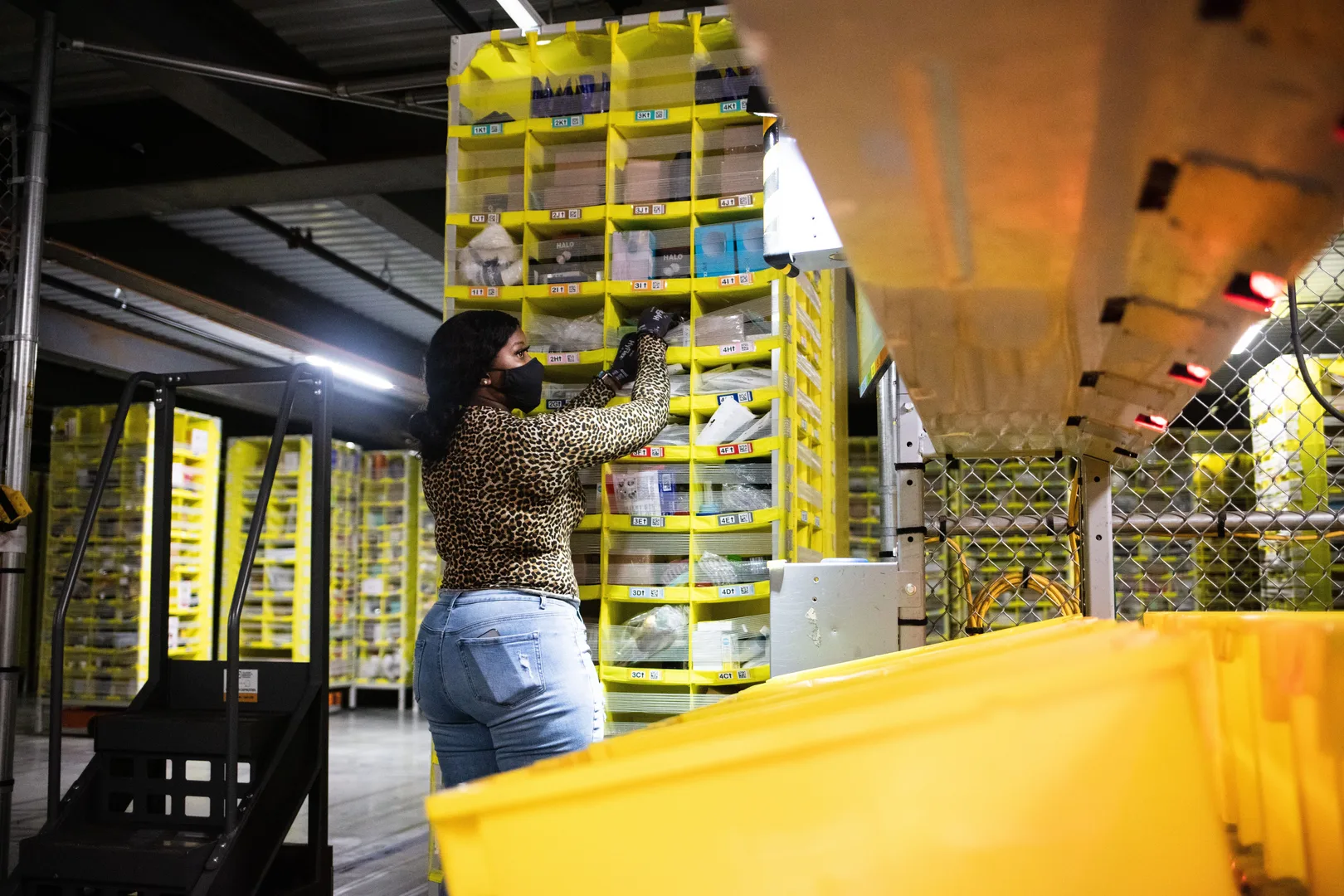
In January 2021, McClain got a call from producer Christina Terrell. She was working on a documentary project for Amazon News' "Skeptics" series. The shoot needed to happen in Florida. The main crew was based in LA and couldn't travel during COVID. They needed a field producer who could move fast, manage talent, and execute on the ground while directors remote-guided from the West Coast. The call came through a chain: gaffer Seth Newell connected with Christina, who connected with Film45 (the production company), who needed someone in Florida who could handle a complex shoot with almost no prep time. That reputation chain worked because each person knew the next one would deliver. Chalant ran ground operations for 2 days of interviews with approximately 100 fulfillment center employees across Miami and Ft. Lauderdale. The footage: 760GB per day. The goal: capture authentic stories about what it's like to work at Amazon fulfillment centers, from the perspective of skeptics and believers alike.
In January 2021, McClain got a call from producer Christina Terrell. She was working on a documentary project for Amazon News' "Skeptics" series. The shoot needed to happen in Florida. The main crew was based in LA and couldn't travel during COVID. They needed a field producer who could move fast, manage talent, and execute on the ground while directors remote-guided from the West Coast. The call came through a chain: gaffer Seth Newell connected with Christina, who connected with Film45 (the production company), who needed someone in Florida who could handle a complex shoot with almost no prep time. That reputation chain worked because each person knew the next one would deliver. Chalant ran ground operations for 2 days of interviews with approximately 100 fulfillment center employees across Miami and Ft. Lauderdale. The footage: 760GB per day. The goal: capture authentic stories about what it's like to work at Amazon fulfillment centers, from the perspective of skeptics and believers alike.
Client:
Client:
Amazon
Amazon
Industry:
Industry:
E-Commerce / Technology
E-Commerce / Technology
Agency
Agency
Direct To Client
Direct To Client
Production Company
Production Company
Film45
Film45
Project Type
Project Type
Documentary-Style Content Production
Documentary-Style Content Production
Timeline:
Timeline:
January 2021
January 2021
Location
Location
📍 Miami/Ft. Lauderdale, FL
📍 Miami/Ft. Lauderdale, FL
Deliverables
Deliverables
Photography + video profiles for Amazon News
Photography + video profiles for Amazon News
Before We Got Involved
Before We Got Involved
Before We Got Involved
Amazon's PR team had ambitious goals for the "Skeptics" series. They wanted authentic, unscripted conversations with the people who actually work in fulfillment centers. Not soundbites. Not talking points. Real stories from people willing to go on camera about the realities of the job, good and hard.
The LA-based production company had the creative vision and directorial chops. They didn't have the ability to be on the ground coordinating dozens of interviews simultaneously while managing talent, locations, and camera logistics. They needed an extension of their team who could think like a director but move like a producer.
COVID meant flying a full crew to Florida wasn't feasible. It meant finding local talent who could execute at a broadcast level without the time to rehearse or align in person.
Amazon's PR team had ambitious goals for the "Skeptics" series. They wanted authentic, unscripted conversations with the people who actually work in fulfillment centers. Not soundbites. Not talking points. Real stories from people willing to go on camera about the realities of the job, good and hard.
The LA-based production company had the creative vision and directorial chops. They didn't have the ability to be on the ground coordinating dozens of interviews simultaneously while managing talent, locations, and camera logistics. They needed an extension of their team who could think like a director but move like a producer.
COVID meant flying a full crew to Florida wasn't feasible. It meant finding local talent who could execute at a broadcast level without the time to rehearse or align in person.
Amazon's PR team had ambitious goals for the "Skeptics" series. They wanted authentic, unscripted conversations with the people who actually work in fulfillment centers. Not soundbites. Not talking points. Real stories from people willing to go on camera about the realities of the job, good and hard.
The LA-based production company had the creative vision and directorial chops. They didn't have the ability to be on the ground coordinating dozens of interviews simultaneously while managing talent, locations, and camera logistics. They needed an extension of their team who could think like a director but move like a producer.
COVID meant flying a full crew to Florida wasn't feasible. It meant finding local talent who could execute at a broadcast level without the time to rehearse or align in person.
What We Did Differently
What We Did Differently
What We Did Differently
Ground Ops for 100 Interviews in 48 Hours
Two days. Approximately 100 employee interviews. Multiple locations. This only works if the field producer understands what the director needs before the director has to ask. McClain spent hours on pre-production calls understanding the interview guide, the tone, the ethical considerations of asking employees to go on camera about their workplace.
The crew was lean: 2 camera operators to capture interviews simultaneously, a photographer documenting behind-the-scenes, a drone operator for aerials, 2 production assistants managing logistics and talent flow, and McClain coordinating all of it in real time.
Casting 100 people meant finding employees who were willing to participate, comfortable on camera, and available within a 48-hour window. That's not a typical interview process. That's rapid-fire coordination with HR contacts at two fulfillment centers, managing expectations, and making people feel heard even in a fast-paced environment.
Multi-Camera, Multi-Location Simultaneous Production
The genius of the setup was the ability to shoot multiple interviews at the same time. While one camera was capturing an interview, the second camera could be lighting and prepping the next talent. This pipeline rhythm meant no dead time, no waiting, no wasting a moment of the 48-hour window.
Simultaneously, Film45 had a crew in Minneapolis running a similar operation. Different locations, same process, same directorial intent. The challenge was keeping the visual language consistent across two cities with two different crews and no face-to-face alignment possible.
That's where McClain's understanding of the show's aesthetic mattered. The directors remote-guided from the West Coast. McClain made real-time decisions on the ground that stayed true to the vision. If an interview needed a different framing, the crew adjusted. If lighting needed a tweak, it happened between takes. No stopping to call the director. No waiting for approval. Just execution informed by deep prep work.
The Invisible Logistics
Capturing 760GB of footage per day means managing data flow, backing up files, and ensuring nothing gets lost. It means coordinating with the fulfillment center's security and operations teams. It means handling talent comfort and making 100 strangers feel safe enough to talk honestly on camera about their workplace.
These are the details the director never sees. The talent never thinks about. The final viewer never knows happened. But they're why the shoot works. Why the interviews feel natural.
Ground Ops for 100 Interviews in 48 Hours
Two days. Approximately 100 employee interviews. Multiple locations. This only works if the field producer understands what the director needs before the director has to ask. McClain spent hours on pre-production calls understanding the interview guide, the tone, the ethical considerations of asking employees to go on camera about their workplace.
The crew was lean: 2 camera operators to capture interviews simultaneously, a photographer documenting behind-the-scenes, a drone operator for aerials, 2 production assistants managing logistics and talent flow, and McClain coordinating all of it in real time.
Casting 100 people meant finding employees who were willing to participate, comfortable on camera, and available within a 48-hour window. That's not a typical interview process. That's rapid-fire coordination with HR contacts at two fulfillment centers, managing expectations, and making people feel heard even in a fast-paced environment.
Multi-Camera, Multi-Location Simultaneous Production
The genius of the setup was the ability to shoot multiple interviews at the same time. While one camera was capturing an interview, the second camera could be lighting and prepping the next talent. This pipeline rhythm meant no dead time, no waiting, no wasting a moment of the 48-hour window.
Simultaneously, Film45 had a crew in Minneapolis running a similar operation. Different locations, same process, same directorial intent. The challenge was keeping the visual language consistent across two cities with two different crews and no face-to-face alignment possible.
That's where McClain's understanding of the show's aesthetic mattered. The directors remote-guided from the West Coast. McClain made real-time decisions on the ground that stayed true to the vision. If an interview needed a different framing, the crew adjusted. If lighting needed a tweak, it happened between takes. No stopping to call the director. No waiting for approval. Just execution informed by deep prep work.
The Invisible Logistics
Capturing 760GB of footage per day means managing data flow, backing up files, and ensuring nothing gets lost. It means coordinating with the fulfillment center's security and operations teams. It means handling talent comfort and making 100 strangers feel safe enough to talk honestly on camera about their workplace.
These are the details the director never sees. The talent never thinks about. The final viewer never knows happened. But they're why the shoot works. Why the interviews feel natural.
Ground Ops for 100 Interviews in 48 Hours
Two days. Approximately 100 employee interviews. Multiple locations. This only works if the field producer understands what the director needs before the director has to ask. McClain spent hours on pre-production calls understanding the interview guide, the tone, the ethical considerations of asking employees to go on camera about their workplace.
The crew was lean: 2 camera operators to capture interviews simultaneously, a photographer documenting behind-the-scenes, a drone operator for aerials, 2 production assistants managing logistics and talent flow, and McClain coordinating all of it in real time.
Casting 100 people meant finding employees who were willing to participate, comfortable on camera, and available within a 48-hour window. That's not a typical interview process. That's rapid-fire coordination with HR contacts at two fulfillment centers, managing expectations, and making people feel heard even in a fast-paced environment.
Multi-Camera, Multi-Location Simultaneous Production
The genius of the setup was the ability to shoot multiple interviews at the same time. While one camera was capturing an interview, the second camera could be lighting and prepping the next talent. This pipeline rhythm meant no dead time, no waiting, no wasting a moment of the 48-hour window.
Simultaneously, Film45 had a crew in Minneapolis running a similar operation. Different locations, same process, same directorial intent. The challenge was keeping the visual language consistent across two cities with two different crews and no face-to-face alignment possible.
That's where McClain's understanding of the show's aesthetic mattered. The directors remote-guided from the West Coast. McClain made real-time decisions on the ground that stayed true to the vision. If an interview needed a different framing, the crew adjusted. If lighting needed a tweak, it happened between takes. No stopping to call the director. No waiting for approval. Just execution informed by deep prep work.
The Invisible Logistics
Capturing 760GB of footage per day means managing data flow, backing up files, and ensuring nothing gets lost. It means coordinating with the fulfillment center's security and operations teams. It means handling talent comfort and making 100 strangers feel safe enough to talk honestly on camera about their workplace.
These are the details the director never sees. The talent never thinks about. The final viewer never knows happened. But they're why the shoot works. Why the interviews feel natural.

Results
Results
Results
760GB+ footage captured per day across 2 days
Approximately 100 interviews completed with authentic, usable footage
Data successfully transferred, archived, and delivered to Film45
Documentary-style content for Amazon News "Skeptics" series
Simultaneous multi-city production maintained visual and tonal consistency
Zero production delays or data loss
760GB+ footage captured per day across 2 days
Approximately 100 interviews completed with authentic, usable footage
Data successfully transferred, archived, and delivered to Film45
Documentary-style content for Amazon News "Skeptics" series
Simultaneous multi-city production maintained visual and tonal consistency
Zero production delays or data loss
760GB+ footage captured per day across 2 days
Approximately 100 interviews completed with authentic, usable footage
Data successfully transferred, archived, and delivered to Film45
Documentary-style content for Amazon News "Skeptics" series
Simultaneous multi-city production maintained visual and tonal consistency
Zero production delays or data loss
What We Learned
What We Learned
What We Learned
Reputation chains work because each person in the chain understands their role and executes flawlessly. Seth Newell recommended Chalant because he knew the work would be done right. Christina Terrell trusted that recommendation. Film45 put their production in Chalant's hands because they believed in the chain. That's not blind faith. That's earned trust built over years of smaller projects, solved problems, and delivery on commitment. The work you do when nobody's watching is what gets you called for the work everyone's watching. A gaffer who notices details and builds relationships. A producer who follows through. A field team that moves fast without cutting corners. Those people get the call when a major client needs someone on the ground with no notice.
Reputation chains work because each person in the chain understands their role and executes flawlessly. Seth Newell recommended Chalant because he knew the work would be done right. Christina Terrell trusted that recommendation. Film45 put their production in Chalant's hands because they believed in the chain. That's not blind faith. That's earned trust built over years of smaller projects, solved problems, and delivery on commitment. The work you do when nobody's watching is what gets you called for the work everyone's watching. A gaffer who notices details and builds relationships. A producer who follows through. A field team that moves fast without cutting corners. Those people get the call when a major client needs someone on the ground with no notice.
Reputation chains work because each person in the chain understands their role and executes flawlessly. Seth Newell recommended Chalant because he knew the work would be done right. Christina Terrell trusted that recommendation. Film45 put their production in Chalant's hands because they believed in the chain. That's not blind faith. That's earned trust built over years of smaller projects, solved problems, and delivery on commitment. The work you do when nobody's watching is what gets you called for the work everyone's watching. A gaffer who notices details and builds relationships. A producer who follows through. A field team that moves fast without cutting corners. Those people get the call when a major client needs someone on the ground with no notice.
If you need a production team that can step into a complex shoot and run the ground operation without hand-holding, we should talk.
If you need a production team that can step into a complex shoot and run the ground operation without hand-holding, we should talk.
If you need a production team that can step into a complex shoot and run the ground operation without hand-holding, we should talk.